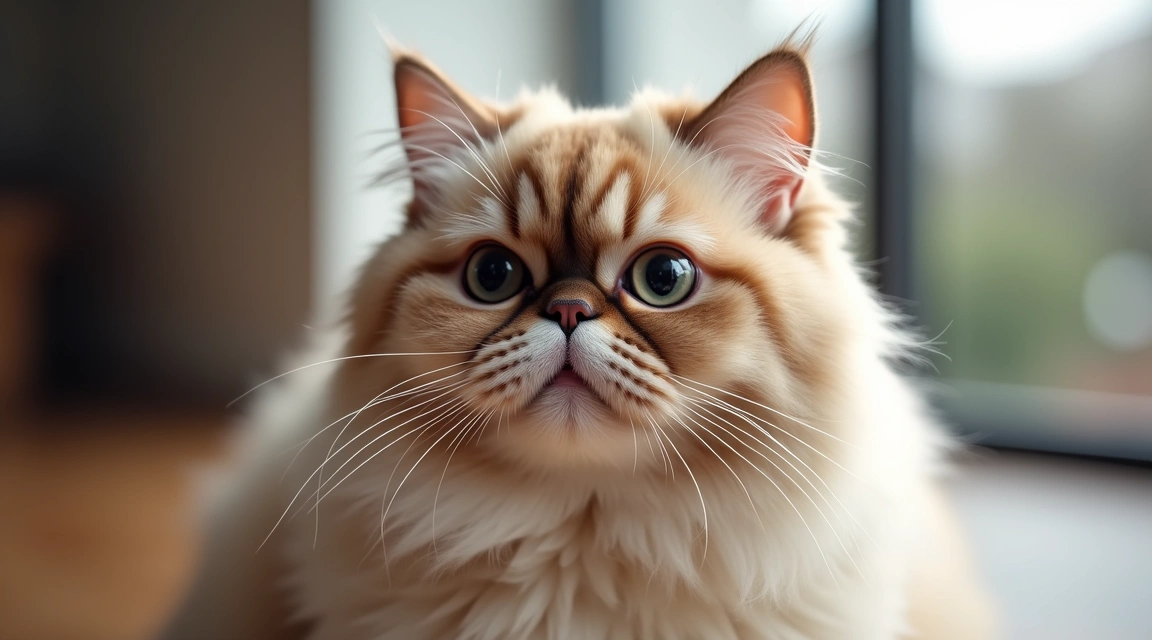
If you’ve ever fallen for a Persian cat’s sweet face and calm personality but hesitated at the thought of daily grooming, you’re not alone. That’s exactly why the Exotic Shorthair exists. Developed in the 1960s, this breed was created to offer all the charm of a Persian wrapped in a plush, low-maintenance coat. But here’s the thing: these two breeds aren’t just different in fur length. Their care routines, grooming demands, and even subtle personality traits can vary enough to influence which one fits your lifestyle.
Both breeds share that signature flat face, round eyes, and gentle temperament that cat lovers adore. They’re affectionate, quiet, and happiest lounging near their favorite humans. So what really sets them apart? The answer goes beyond the coat. From grooming schedules to health considerations and daily care, understanding these differences helps you make a confident choice whether you’re a first-time cat owner or adding to your feline family.
The Shared Persian Heritage
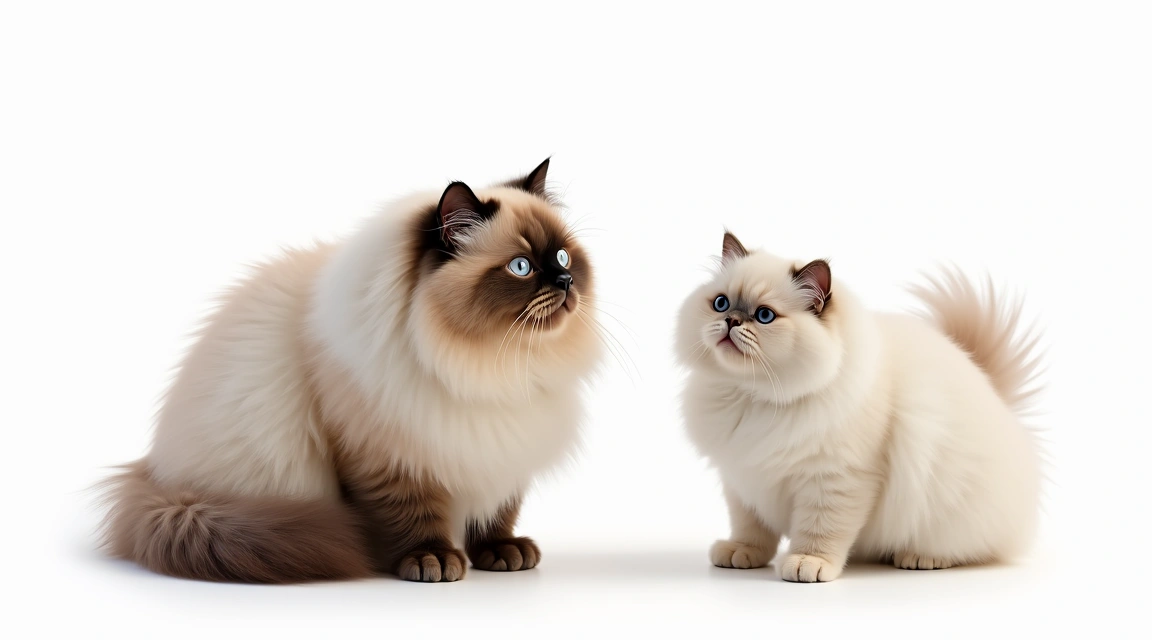
The Exotic Shorthair didn’t appear out of nowhere. Breeders in the United States wanted to introduce new colors and a sturdier body type into American Shorthairs, so they crossed them with Persians. The result? Kittens with Persian features but shorter coats. Breeders quickly realized they’d created something special: a cat with all the Persian’s endearing traits minus the high-maintenance grooming.
Today, the Exotic Shorthair is often called the “lazy man’s Persian,” though that nickname undersells the breed’s unique appeal. Both breeds share the same body standard set by major cat registries. They have the same cobby build, short legs, broad chest, and large round head. Their facial structure is nearly identical, which means they also share similar health considerations related to their flat faces. The primary difference? One has a long, flowing double coat that requires daily attention, while the other sports a dense, plush coat that’s much easier to manage.
Grooming Demands and Daily Maintenance
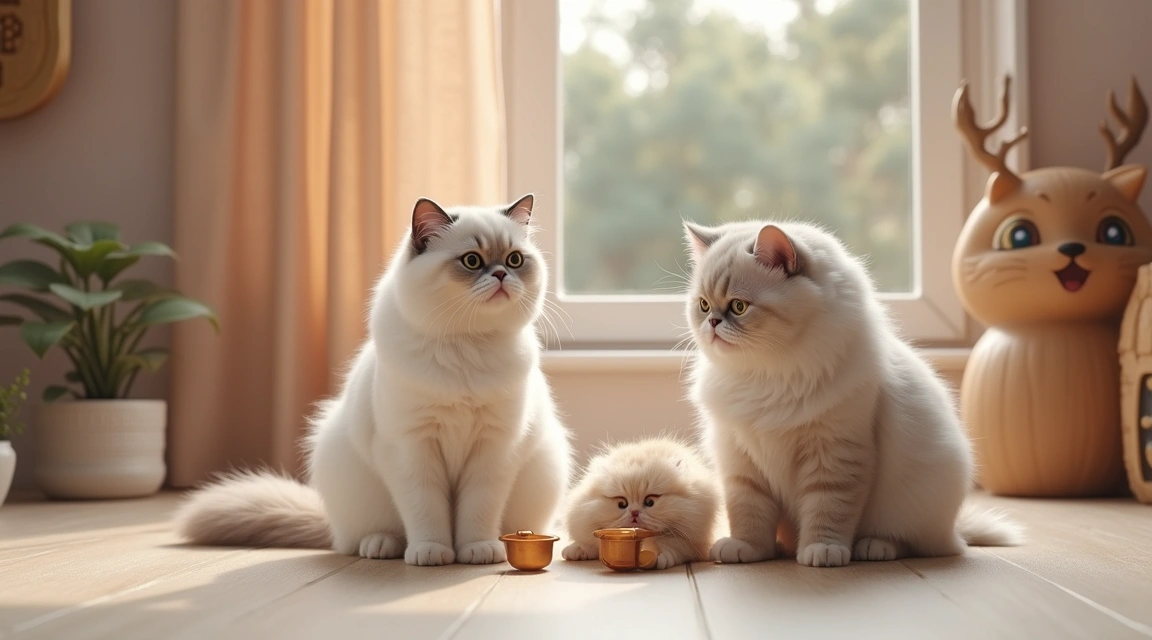
Let’s talk about what daily life actually looks like with each breed. Persian cats need brushing every single day, sometimes twice a day during shedding seasons. Their long, silky coat mats easily, especially around the neck, behind the ears, and under the legs. Miss a few days, and you’re dealing with tangles that can pull at the skin and cause discomfort. Regular baths every four to six weeks help keep the coat clean and manageable, but they’re time-intensive.
Exotic Shorthairs, on the other hand, need brushing only once or twice a week. Their dense, plush coat doesn’t mat the way a Persian’s does, though they do shed year-round. A quick brush keeps loose hair under control and reduces hairballs. Baths? Maybe every few months or as needed. That difference in grooming time adds up fast. If you work long hours or travel frequently, the Exotic’s lower maintenance can be a game-changer. But don’t mistake “easier” for “no work.” Both breeds still need regular eye cleaning because of their flat faces, which can cause tear staining.
Personality Traits and Temperament
Both Persians and Exotic Shorthairs are known for being calm, affectionate, and somewhat reserved. They’re not the type to race around the house at midnight or knock things off counters for fun. They prefer a predictable routine, a cozy spot by the window, and quality time with their humans. That said, there’s a subtle difference in energy levels that many owners notice.
Exotic Shorthairs tend to be slightly more playful and curious than Persians. They’re more likely to bat at a toy, explore a new box, or engage in interactive play sessions. Some breeders and owners describe them as having a touch more “kitten” in them throughout their adult years. Persians, while affectionate and devoted, are often more content to simply be near you without needing as much active engagement. Neither breed is particularly vocal, though both will communicate with soft chirps and quiet meows when they want attention or dinner.
Sound familiar? If you want a lap cat who’s happy to nap while you work or read, either breed fits the bill. If you’d enjoy a slightly more interactive companion who might surprise you with a playful streak, the Exotic might edge ahead.
Health Considerations for Flat-Faced Breeds
Because both breeds share the same brachycephalic (flat-faced) structure, they face similar health challenges. Their shortened nasal passages can lead to breathing difficulties, especially in hot or humid weather. You’ll want to keep your home cool, avoid strenuous exercise, and watch for signs of respiratory distress. Both breeds are also prone to polycystic kidney disease, a genetic condition that responsible breeders screen for through DNA testing.
Eye issues are common in both Persians and Exotic Shorthairs. Their large, round eyes are more exposed, making them vulnerable to injuries, infections, and excessive tearing. Daily eye cleaning with a damp cloth helps prevent tear staining and keeps the area around the eyes healthy. Dental care is another shared concern. Both breeds benefit from regular tooth brushing and annual dental checkups to prevent periodontal disease.
The good news? With proper care, regular veterinary visits, and attention to their unique needs, both breeds can live long, healthy lives. Most Persians and Exotic Shorthairs live 12 to 15 years or more when well cared for. Choosing a reputable breeder who performs health screenings and provides health guarantees is your first line of defense against inherited conditions.
Choosing the Right Breed for Your Home
So how do you decide? Start by honestly assessing your daily schedule and grooming tolerance. If you love the idea of spending 15 to 30 minutes a day brushing, bathing, and maintaining a luxurious coat, a Persian might be your perfect match. If you want the same sweet temperament and adorable face without the grooming commitment, an Exotic Shorthair offers a practical alternative. Both breeds thrive in calm, indoor environments and do well in apartments or homes without a lot of chaos.
Consider your household dynamics too. Both breeds are gentle with children and can coexist peacefully with other pets, though they prefer a quieter environment over a bustling, noisy one. They’re not escape artists or climbers, so you won’t find them perched on top of the refrigerator. They’re homebodies who value routine and stability. If you travel frequently, make sure you have a trusted pet sitter or boarding option, as both breeds form strong bonds with their owners and can become stressed with frequent changes.
Honestly, there’s no wrong choice here. Both breeds offer affection, companionship, and that irresistible flat-faced charm. The right fit depends on your lifestyle, grooming preferences, and how much time you can dedicate to daily care. Visit breeders, meet adult cats of both breeds if possible, and ask questions about temperament, health, and care requirements. A responsible breeder will help you determine which breed aligns best with your expectations and living situation.
Whether you choose a Persian or an Exotic Shorthair, you’re welcoming a loyal, gentle companion into your home. Both breeds have devoted followings for good reason. They’re affectionate without being demanding, beautiful without being high-strung, and endlessly charming in their own quiet way. The key is understanding what each breed truly needs so you can provide the best possible care and enjoy many happy years together.
Editorial Tips & Advertising Inquiries : cats@steeplechasecattery.com