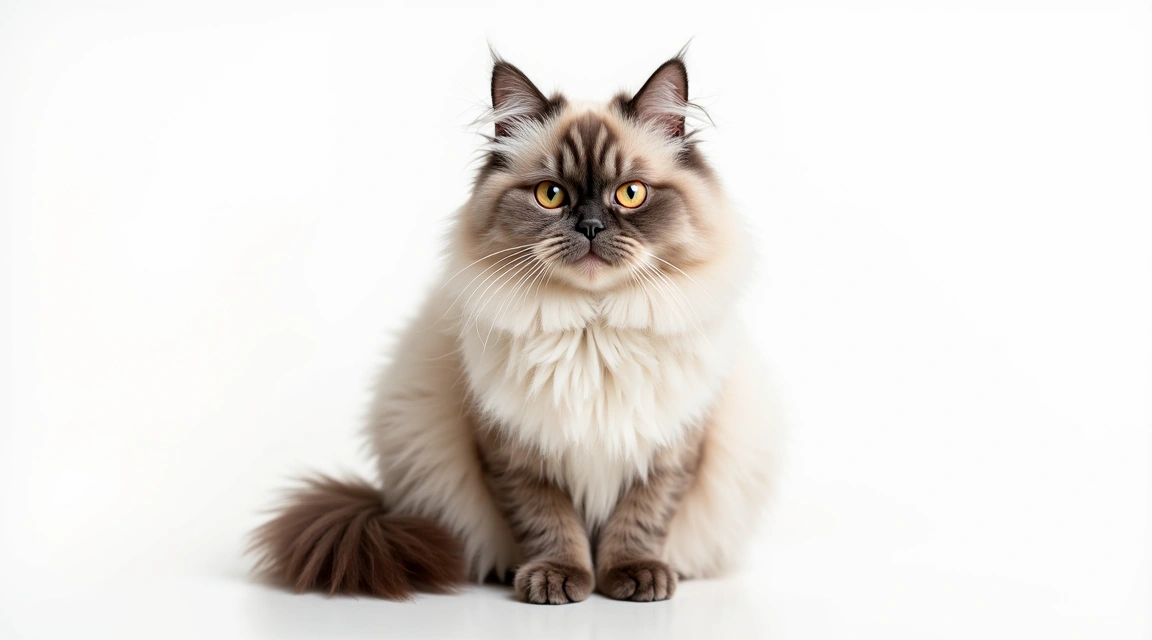
If you’re considering a Persian cat or already share your home with one, you’ve probably heard whispers about polycystic kidney disease. It’s one of those genetic conditions that sounds intimidating, and honestly, it can be serious. But here’s the thing : understanding PKD doesn’t mean you should avoid Persians altogether. It means you need to be informed, ask the right questions, and work with responsible breeders who prioritize health testing.
PKD is an inherited condition where fluid-filled cysts develop in the kidneys over time. These cysts gradually replace healthy kidney tissue, and in some cases, they can lead to kidney failure. The good news? Genetic testing has changed the game for Persian breeders and owners. We can now identify carriers before they’re bred, which has dramatically reduced the prevalence of this disease in well-managed breeding programs. Let’s walk through what every Persian cat owner and prospective adopter should know.
What PKD Actually Means for Persian Cats

Polycystic kidney disease is an autosomal dominant genetic condition, which means a cat only needs to inherit one copy of the mutated gene to develop cysts. The cysts start forming while the cat is still young, sometimes even before birth, but they typically grow slowly. Most affected cats don’t show symptoms until middle age or later, usually between seven and ten years old. Some cats live their entire lives with small cysts that never cause noticeable problems.
The disease affects approximately 38 to 49 percent of Persian cats in some populations, though responsible breeding practices have been driving those numbers down. Exotic Shorthairs and other breeds with Persian ancestry can also carry the gene. The cysts themselves are benign, but as they multiply and enlarge, they take up space that should be occupied by functioning kidney tissue. Over time, this can compromise the kidneys’ ability to filter waste from the blood. Not every cat with PKD will progress to kidney failure, but it’s a risk that responsible breeders take seriously.
Recognizing the Signs in Your Cat
Here’s what makes PKD tricky : early-stage cats usually look and act completely normal. The cysts grow silently for years before any symptoms appear. You won’t see obvious warning signs until the kidneys have lost a significant amount of function. That’s why routine veterinary care and screening are so important, especially for Persians and related breeds.
When symptoms do develop, they mirror chronic kidney disease. You might notice increased thirst and urination, weight loss despite a normal appetite, decreased energy, or poor coat quality. Some cats develop high blood pressure, which can lead to retinal detachment and sudden blindness. Others experience nausea, vomiting, or simply seem less interested in their usual activities. If your Persian starts drinking noticeably more water or using the litter box more frequently, that’s your cue to schedule a vet visit. These changes can be subtle at first, so keep an eye on daily habits.
How Genetic Testing Changed Everything
Before genetic testing became available in the early 2000s, breeders had no reliable way to identify PKD carriers until ultrasound revealed cysts, often years into a cat’s breeding career. Now, a simple cheek swab or blood test can definitively determine whether a cat carries the PKD1 gene mutation. This has been a game-changer for responsible Persian breeders across the United States.
Reputable breeders test all their breeding cats and make results available to potential adopters. Two PKD-negative parents will produce 100 percent PKD-negative kittens — it’s that straightforward. Some breeders still work with carrier cats if they have exceptional qualities in other areas, but they’ll only breed them to PKD-negative partners, which produces a mix of affected and clear kittens. The affected kittens are then placed as pets with full disclosure, never used for breeding. When you’re looking for a Persian kitten, always ask for proof of PKD testing on both parents. Any breeder who dismisses this question or can’t provide documentation isn’t someone you want to work with.
Managing Life with a PKD-Positive Cat
So what if you’ve adopted a Persian who tests positive for PKD or develops symptoms later in life? First, don’t panic. Many PKD-positive cats live long, comfortable lives with proper management. The key is working closely with your veterinarian to monitor kidney function and catch any decline early. Your vet will likely recommend regular bloodwork and urinalysis, typically every six to twelve months for younger cats, more frequently as they age.
Diet plays a crucial role in supporting kidney health. High-quality protein and controlled phosphorus levels help reduce the workload on compromised kidneys. Your vet might recommend a prescription kidney diet once blood values indicate declining function. Hydration is equally important — encourage water intake by offering multiple fresh water sources, consider a cat fountain, and incorporate wet food into the daily routine. Some owners add low-sodium chicken broth to make water more appealing. Blood pressure monitoring becomes important as kidney disease progresses, since hypertension can accelerate kidney damage and affect other organs.
Medication can help manage complications. Phosphate binders, potassium supplements, appetite stimulants, and anti-nausea medications all have their place depending on your cat’s specific needs. The goal isn’t to cure PKD — we can’t do that yet — but to maintain quality of life for as long as possible. I’ve known PKD-positive Persians who lived comfortably into their teens with attentive care.
What to Expect When Adopting a Persian
If you’re considering bringing a Persian kitten into your home, PKD testing should be part of your adoption checklist. Responsible breeders will provide documentation showing both parents tested negative for the PKD1 mutation. This documentation typically comes from a veterinary genetics laboratory and includes the cat’s registration information. Don’t just take a verbal assurance — ask to see the actual test results.
Beyond genetic testing, look for breeders who health-screen for other Persian-related conditions like hypertrophic cardiomyopathy and progressive retinal atrophy. A good breeder will be transparent about their testing protocols and happy to answer your questions. They should also provide a health guarantee that specifically addresses genetic conditions. Fair enough, no breeder can guarantee a cat will never develop any health issue, but they should stand behind the genetic testing they’ve done.
If you’ve already adopted a Persian from a less transparent source or inherited one from a family member, consider having your cat tested. The information is valuable for managing their long-term health care, and it gives you peace of mind. Even if your cat tests positive, remember that many affected cats never progress to kidney failure. Regular veterinary monitoring and proactive care make all the difference. And if you’re working with a rescue Persian, ask whether PKD testing was done. Many rescues now include genetic screening in their intake protocols for Persian and Himalayan cats.
The landscape for Persian cat health has improved dramatically thanks to genetic testing and responsible breeding practices. PKD is still out there, but it doesn’t have to be a barrier to enjoying life with these beautiful, affectionate cats. Ask the right questions, work with ethical breeders, and stay on top of veterinary care. That’s the recipe for a long, happy relationship with your Persian companion.
Editorial Tips & Advertising Inquiries : cats@steeplechasecattery.com