
If you’re thinking about adopting a Persian cat or already share your home with one, you’re probably wondering how many years you’ll have together. It’s a question I hear constantly from families visiting our cattery. The short answer? Persian cats typically live between 12 and 17 years, though some pampered Persians have been known to reach their early twenties with excellent care and a bit of genetic luck.
But here’s the thing. Lifespan isn’t just about genetics. The daily choices you make — from diet to grooming to vet visits — can add years to your Persian’s life or shorten it. And honestly, Persians need a bit more attention than some other breeds because of their unique body structure and coat. Let’s walk through what really impacts how long these gorgeous cats stick around, what health challenges they face, and what you can do starting today to give your Persian the longest, healthiest life possible.
What Makes Persians Different From Other Breeds
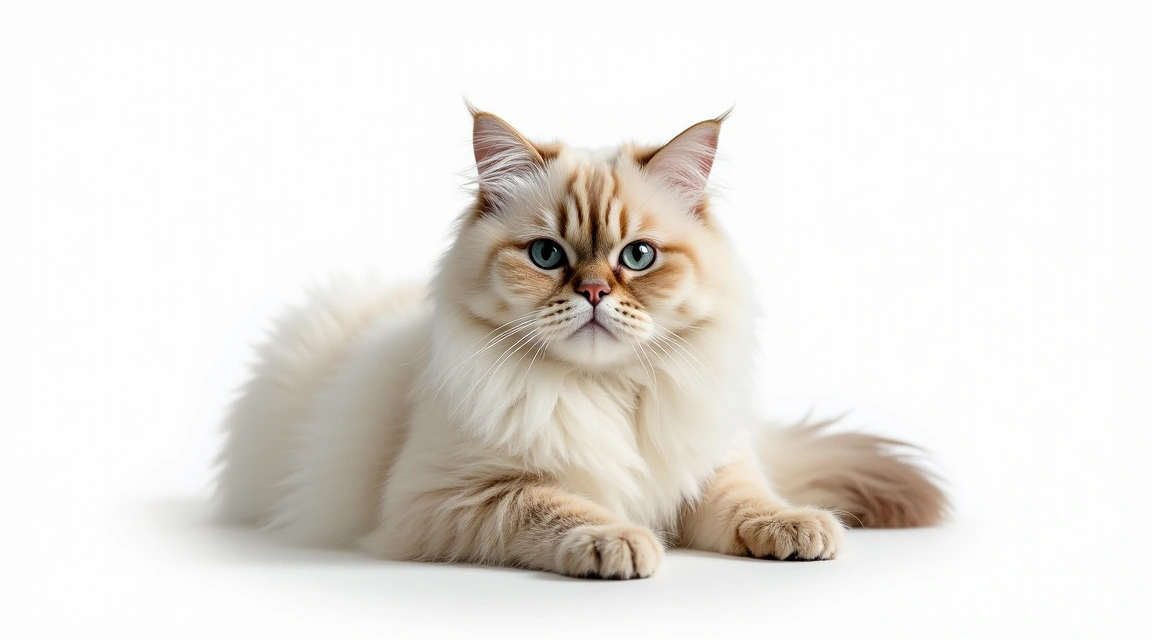
Persians aren’t your average domestic shorthair. Their distinctive flat faces and luxurious coats come with trade-offs that directly affect longevity. The brachycephalic (flat-faced) structure that gives Persians their signature look can lead to breathing difficulties, especially in hot weather or stressful situations. Their large, expressive eyes are prone to tearing and infections if not cleaned regularly. These aren’t deal-breakers, but they do mean Persians require consistent daily care to stay healthy into their senior years.
Their long, dense coat is another factor. Without regular brushing, mats form quickly, pulling on the skin and creating painful sores that can get infected. I’ve seen Persians develop severe skin issues simply because their owners underestimated how much grooming these cats actually need. Poor coat care doesn’t just affect comfort. It impacts overall health and can shorten lifespan by allowing chronic skin problems to fester. Compare that to a shorthaired breed that can mostly groom itself, and you’ll see why Persian longevity depends so much on owner commitment.
Common Health Issues That Affect Persian Lifespan
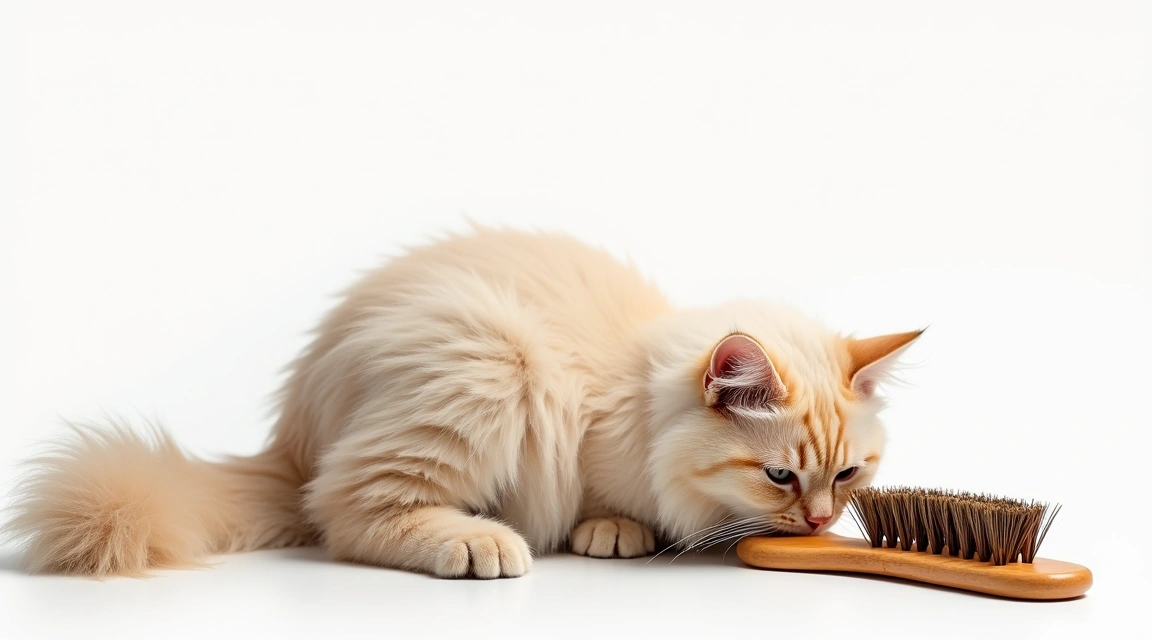
Let’s be real about the health challenges Persians face. Polycystic kidney disease (PKD) is the big one. It’s a genetic condition where cysts gradually replace healthy kidney tissue, eventually leading to kidney failure. Responsible breeders test for PKD and won’t breed affected cats, but it’s still something to watch for, especially if you adopted from an unknown source. Kidney disease typically shows up in middle age and is one of the leading causes of death in Persians.
Heart conditions are another concern. Hypertrophic cardiomyopathy (HCM) causes the heart walls to thicken, reducing the heart’s ability to pump blood effectively. Some Persians live years with mild HCM and never show symptoms. Others develop heart failure relatively quickly. Then there are the dental issues. Those flat faces often mean crowded teeth, which trap food and bacteria, leading to gum disease and tooth loss if you’re not brushing their teeth regularly. Dental disease doesn’t just affect their mouth — bacteria can enter the bloodstream and damage vital organs over time.
Daily Care Habits That Extend Persian Lives
So what actually works? Start with grooming. I brush my Persians every single day, and it takes about 10 minutes per cat. That daily brushing prevents mats, distributes skin oils, and gives me a chance to spot lumps, bumps, or skin issues early. I also wipe their faces daily with a damp cloth to prevent tear staining and eye infections. Sound like a lot? It is. But it’s also the difference between a Persian who lives comfortably into their late teens and one who struggles with chronic health problems from age eight onward.
Diet matters more than most people think. High-quality protein and controlled portions keep Persians at a healthy weight, which reduces stress on their joints and organs. Obesity is surprisingly common in indoor Persians because they’re not super active compared to other breeds. I feed measured portions twice daily and avoid free-feeding. Clean, fresh water is critical too, especially since kidney disease is common. Some owners even use water fountains to encourage drinking. And here’s something that surprises people — regular vet checkups, at least annually and more often after age seven, catch problems like kidney disease or heart issues before they become life-threatening.
What You Can Realistically Expect Over Time
In their younger years, Persians are calm, affectionate, and relatively low-maintenance health-wise. But around age seven or eight, you’ll start noticing changes. They might slow down a bit, sleep more, or become pickier about food. That’s when preventive care becomes even more important. Senior blood work can detect early kidney disease or hyperthyroidism, both of which are manageable if caught early. I’ve had Persians live happily into their mid-teens with chronic kidney disease simply because we caught it early and adjusted their diet and care accordingly.
By their early teens, many Persians develop arthritis or vision changes. They might not jump as high or play as much. But they’re still affectionate lap cats who enjoy a predictable routine. The Persians who reach 17 or beyond? They’ve usually had excellent genetics, attentive owners, and consistent veterinary care throughout their lives. It’s not magic. It’s daily commitment. Fair enough, not everyone has the time or energy for that level of care, and that’s okay — but it’s worth knowing upfront what these cats need to thrive long-term.
Is a Persian Right for Your Lifestyle?
Here’s the truth. If you want a low-maintenance cat you can mostly leave to its own devices, a Persian isn’t the right fit. But if you’re prepared to invest 15 minutes daily in grooming, provide high-quality food, and commit to regular vet care, you’ll likely enjoy 12 to 17 years with an incredibly loving, calm companion. Persians bond deeply with their families. They’re gentle with kids, tolerant of other pets, and happiest when they’re near their favorite humans. For people who work from home or retirees looking for a devoted lap cat, Persians are perfect.
The financial commitment is real too. Beyond the grooming supplies and premium food, you’ll need to budget for annual vet visits, potential emergency care, and likely some specialized care as they age. Kidney disease management, dental cleanings, and senior blood work add up. But for families who value that unique Persian personality — calm, affectionate, and endlessly elegant — it’s absolutely worth it. Just make sure you’re ready for the responsibility before you bring one home.
Persians can live long, healthy lives when given proper care, attention, and regular veterinary support. They’re not the easiest breed, but they’re one of the most rewarding. If you’re willing to put in the work, your Persian will thank you with years of companionship, gentle purring, and those soulful eyes that make every bit of effort worthwhile.
Editorial Tips & Advertising Inquiries : cats@steeplechasecattery.com