

If you’ve ever watched your Persian cat sleep and noticed a little snoring or heard them breathe heavier than other cats, you’re not alone. Persian cats are known for their gorgeous flat faces and sweet expressions, but that adorable look comes with some real respiratory challenges. Their shortened skull structure affects how air flows through their nasal passages, and understanding this is crucial for keeping your Persian comfortable and healthy.
I’ve worked with Persian cats for over fifteen years, and I can tell you that not every Persian struggles with severe breathing issues. But nearly all of them experience some level of respiratory compromise compared to cats with traditional facial structures. The good news? With proper awareness and proactive care, you can make a significant difference in your Persian’s quality of life. Here’s what every Persian owner should know about respiratory health.
Why Persian Cats Face Breathing Challenges
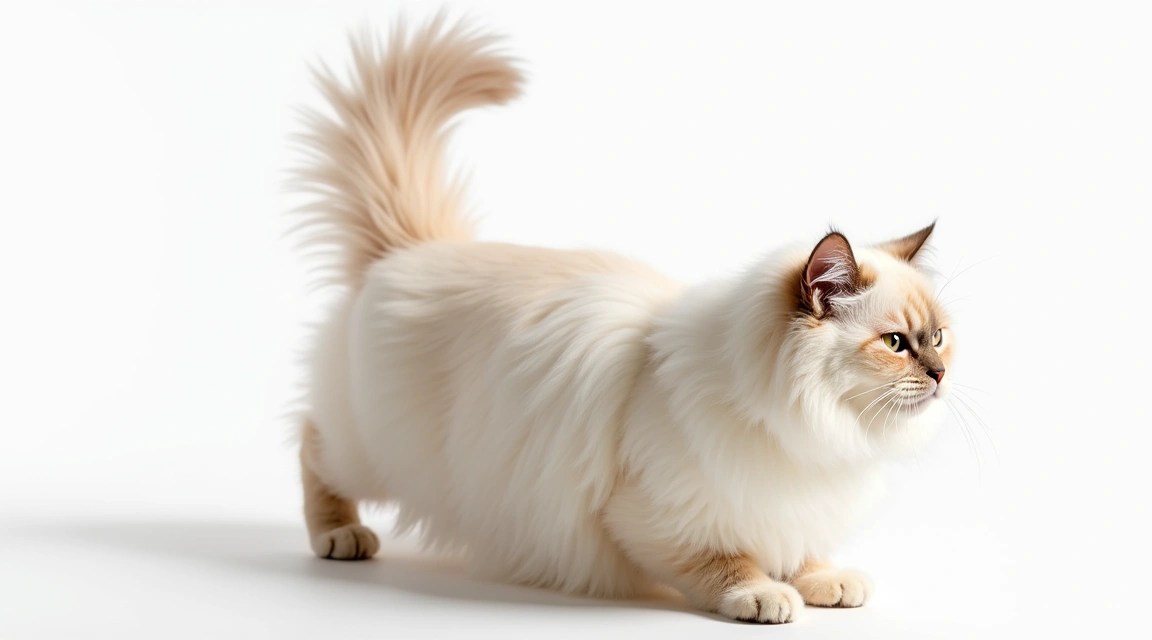
Persians belong to a group called brachycephalic breeds, which means they have shortened skulls and flat faces. This isn’t just about appearance. Their skull structure is fundamentally different from other cats, and it directly impacts their respiratory anatomy. The nasal passages are compressed, the soft palate may be elongated, and the nostrils can be narrower than normal. All of this creates resistance when air tries to move in and out.
Think of it like trying to breathe through a narrow straw versus a regular one. The effort required is much greater. Studies on brachycephalic cats show they have significantly reduced airflow capacity compared to cats with normal facial structures. This doesn’t mean your Persian can’t breathe, but it does mean they work harder to get the same amount of oxygen. Some Persians adapt well to this, while others show more obvious signs of respiratory distress, especially during physical activity or in warm weather.
Common Respiratory Symptoms Persian Owners Notice

So what does respiratory compromise actually look like in daily life? You might hear noisy breathing, especially when your Persian is resting or purring. Snoring is incredibly common and often sounds louder than you’d expect from a cat. Some Persians breathe with their mouths open after even mild play sessions, which isn’t typical for most cats. These signs don’t always mean an emergency, but they’re your cat’s way of showing that breathing takes extra effort.
During warmer months, you’ll likely notice more pronounced symptoms. Persians can’t cool themselves as efficiently through panting because their airways are already compromised. Heat intolerance is a major concern for brachycephalic cats. You might also see discharge from the eyes or nose more frequently than in other breeds. Their compressed tear ducts don’t drain as effectively, and nasal congestion is common. If your Persian ever shows signs of labored breathing, blue-tinged gums, or extreme lethargy, that’s a veterinary emergency requiring immediate attention.
The Role of Genetics and Breeding Standards

Here’s the thing: not all Persians are equally affected. Breeding practices make a huge difference. Cats bred with extremely flat faces (sometimes called “ultra-type” or “peke-faced” Persians) typically have more severe respiratory issues than those with slightly longer noses. Responsible breeders pay attention to this and aim for a balance between the Persian look and functional breathing anatomy.
When you’re looking for a Persian kitten, it’s worth asking about the parents’ respiratory health and whether the breeder prioritizes moderate facial features. A breeder who health tests their cats and can show you parents that breathe comfortably is investing in healthier kittens. The shape of a Persian’s nostrils, the length of their soft palate, and the width of their nasal passages are all influenced by careful breeding decisions. This isn’t about compromising the Persian appearance — it’s about ensuring the cat behind that beautiful face can breathe without struggle.
Practical Care Tips to Support Respiratory Health
You can’t change your Persian’s anatomy, but you absolutely can create an environment that makes breathing easier. Keep your home cool, especially in summer. Air conditioning isn’t a luxury for Persians — it’s a health necessity. I recommend keeping indoor temperatures below 75°F when possible, and always ensuring your Persian has access to cool, shaded areas.
Weight management is critical. Extra pounds put additional strain on an already compromised respiratory system. Feed a high-quality diet in controlled portions, and don’t let your Persian become overweight. Regular grooming also plays a role. When Persians overheat from stress during grooming sessions, their breathing becomes labored. Keep grooming sessions short and calm, especially during warmer weather. Use a humidifier if your home’s air is dry, as this helps keep nasal passages moist and more comfortable. And avoid exposing your Persian to irritants like cigarette smoke, strong perfumes, or dusty litter — all of these can exacerbate breathing difficulties.
When to Seek Veterinary Intervention
Regular veterinary checkups are essential, but there are specific times when respiratory concerns need immediate professional attention. If your Persian’s breathing suddenly becomes more labored, if they’re gasping or panting excessively without obvious cause, or if you notice a change in gum color, don’t wait. These can indicate serious respiratory distress or even heart issues, which brachycephalic breeds are also prone to developing.
Some Persians benefit from surgical intervention. Procedures like stenotic nares surgery (widening the nostrils) or soft palate resection can dramatically improve airflow in severely affected cats. Your vet can assess whether your Persian is a candidate for these procedures. Veterinary research indicates that brachycephalic cats with moderate to severe respiratory signs often experience significant quality-of-life improvements following corrective surgery. Not every Persian needs surgery, but it’s worth discussing with a veterinarian experienced in brachycephalic breeds if your cat struggles significantly. Additionally, your vet should monitor for secondary issues like chronic sinusitis or lower respiratory infections, which Persians are more susceptible to because of their compromised upper airways.
Living with a Persian means being a bit more vigilant about respiratory health than you would with other breeds. But it doesn’t mean your Persian can’t live a long, happy, comfortable life. By understanding their unique anatomy, recognizing warning signs early, maintaining a cool and clean environment, and working closely with your veterinarian, you’re giving your Persian the best possible chance at breathing easy. These cats bring so much joy and companionship — and with the right care, you can ensure they’re comfortable while doing it.
Editorial Tips & Advertising Inquiries : cats@steeplechasecattery.com