Dental disease affects up to 70% of cats by age three, yet many owners overlook this critical aspect of feline health until their pet shows obvious signs of pain or discomfort. A consistent cat dental care routine can prevent tooth loss, painful infections, and costly veterinary procedures while significantly improving your cat’s quality of life. This guide walks you through establishing an effective dental care routine that fits into your daily schedule, even if you’re a complete beginner.
Cats are masters at hiding dental pain, which means problems often progress silently until they become severe. Regular dental care at home, combined with professional veterinary cleanings, protects your cat from periodontal disease, gingivitis, and tooth resorption—conditions that can affect their overall health and well-being.
Understanding Why Cat Dental Care Matters
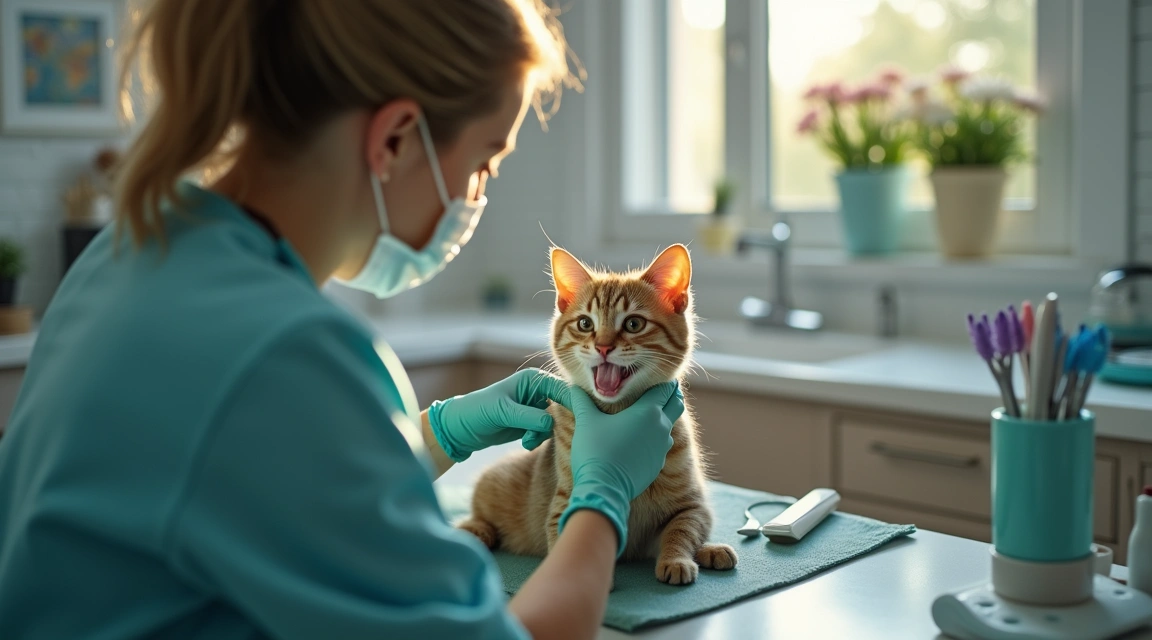
Dental disease in cats begins with plaque buildup, a sticky film of bacteria that forms on teeth within hours of eating. When plaque hardens into tartar, it creates a rough surface where more bacteria accumulate. This bacterial buildup causes inflammation of the gums (gingivitis), which can progress to periodontal disease affecting the structures supporting the teeth.
Left untreated, dental disease causes more than just bad breath. Bacteria from infected gums can enter the bloodstream and affect vital organs including the heart, liver, and kidneys. Cats with severe dental disease may stop eating due to pain, leading to dangerous weight loss and potentially life-threatening conditions like hepatic lipidosis.
Caution: Never wait until you see visible symptoms. By the time cats show signs like drooling, pawing at their mouth, or refusing food, dental disease is often advanced and requires immediate veterinary attention.
Step 1: Schedule a Veterinary Dental Examination
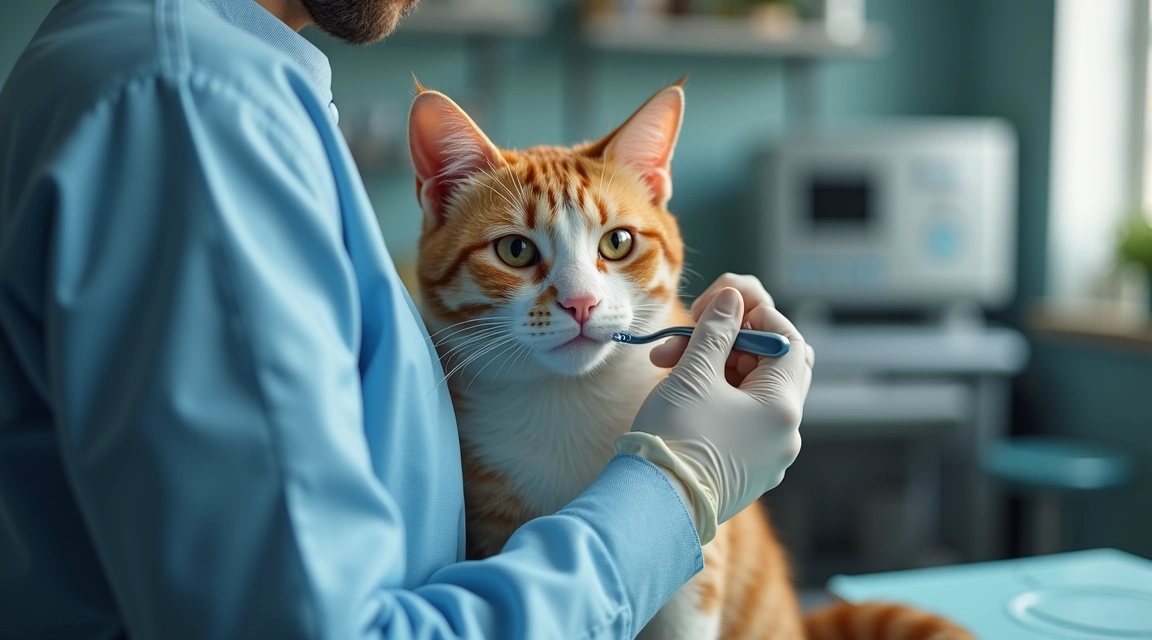
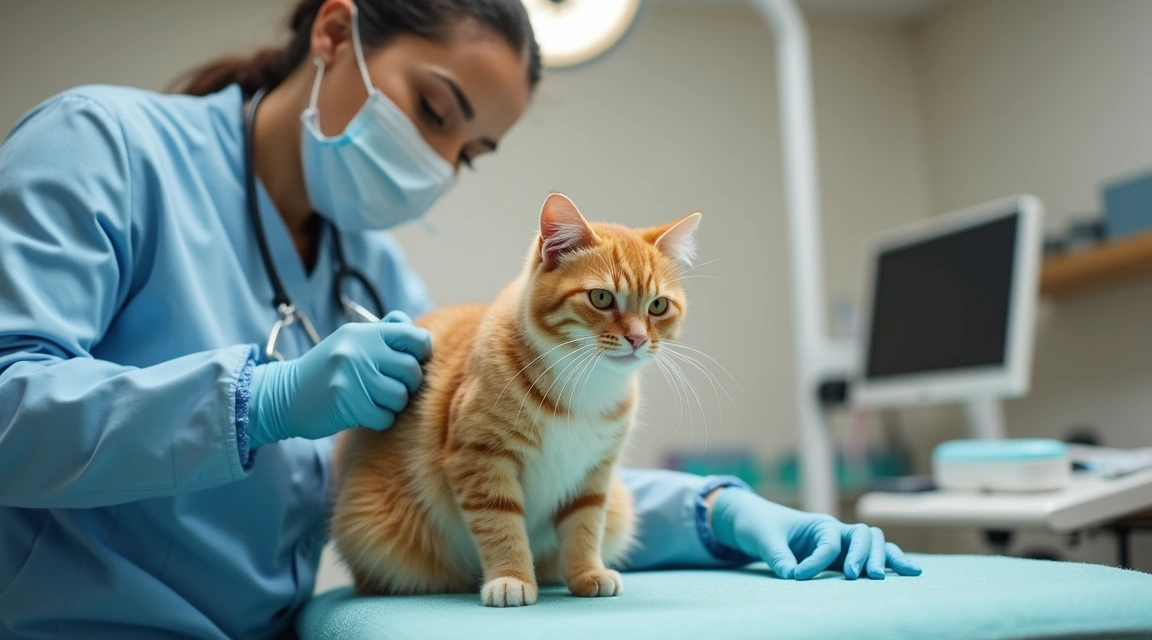
Before starting any home dental care routine, book a comprehensive dental examination with your veterinarian. This baseline assessment identifies existing problems that need professional treatment before you begin maintenance care at home.
During the examination, your vet will check for tartar buildup, gum inflammation, loose teeth, mouth lesions, and signs of tooth resorption—a painful condition where teeth deteriorate from the inside out. They may recommend a professional cleaning under anesthesia if significant disease is present. This cleaning removes tartar below the gum line, polishes teeth, and treats any infections or damaged teeth.
Your veterinarian can also demonstrate proper brushing technique and recommend products suitable for your cat’s specific needs. Some cats require special considerations based on breed, age, or existing health conditions.
Caution: Never skip the initial veterinary examination. Starting a home care routine on diseased teeth and inflamed gums can cause your cat pain and worsen existing conditions.
Step 2: Gather the Right Dental Care Supplies

Invest in cat-specific dental care products. Human toothpaste contains ingredients like fluoride and xylitol that are toxic to cats, so always use enzymatic toothpaste formulated specifically for felines. These pastes come in flavors cats find appealing, such as poultry or seafood.
Choose a toothbrush designed for cats. Options include:
- Finger brushes—soft rubber sleeves that slip over your finger, ideal for beginners
- Small-headed cat toothbrushes with soft bristles and angled handles
- Double-headed brushes featuring both small and extra-small brush heads
Additional helpful products include dental wipes for cats who won’t tolerate brushing initially, dental treats that help reduce plaque through mechanical action, and water additives that fight bacteria in your cat’s mouth. However, these supplemental products should never replace regular brushing—they work best as additions to a complete routine.
Caution: Avoid dental products containing harsh chemicals or strong minty flavors that cats find unpleasant. Always check that products are specifically labeled safe for cats, not just pets in general.
Step 3: Introduce Your Cat to Tooth Brushing Gradually
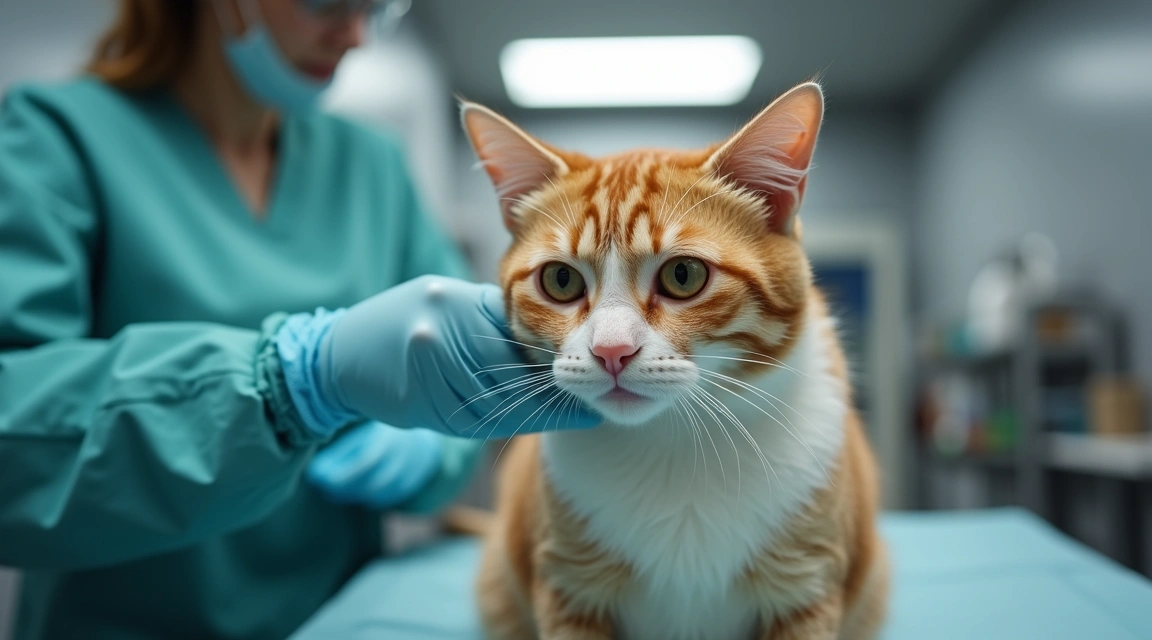
Success with cat dental care depends entirely on patience and gradual desensitization. Rushing this process creates negative associations that make future attempts nearly impossible. Plan to spend one to two weeks on introduction before attempting actual brushing.
Start by letting your cat smell and lick the toothpaste from your finger. Do this daily when your cat is calm and relaxed, perhaps after a meal or play session. Once your cat accepts the paste, begin gently touching their lips and lifting them to expose teeth for a few seconds. Reward cooperation with treats, praise, or play.
Next, use your finger (without the brush) to rub a small amount of toothpaste on their front teeth and gums. Keep sessions very brief—just 10 to 15 seconds initially. Gradually work toward touching the back teeth, which are most prone to tartar buildup. Only when your cat tolerates finger rubbing should you introduce the actual toothbrush.
Caution: Never force brushing or restrain your cat aggressively. This creates fear and makes them resistant to future dental care, potentially damaging your relationship and making necessary care impossible.
Step 4: Master the Proper Brushing Technique
When your cat is ready for the toothbrush, choose a quiet time when they’re naturally calm. Sit in a comfortable position with your cat in your lap or beside you on a couch or bed. Apply a pea-sized amount of enzymatic toothpaste to the brush.
Gently lift your cat’s lip on one side and position the brush at a 45-degree angle where the teeth meet the gums. Use small circular motions, focusing on the outer surfaces of the teeth where plaque accumulates most. Work methodically: start with the front teeth, then move to the canines, and finally the large back molars.
You don’t need to brush the inner surfaces of teeth as thoroughly. Cats’ tongues naturally clean these areas somewhat, and most plaque forms on outer surfaces. Aim to brush for 30 seconds to one minute total, focusing on the back upper teeth where dental disease typically starts.
End each session on a positive note, even if you only managed to brush a few teeth. Gradually increase the duration and coverage as your cat becomes more comfortable. Most cats never enjoy tooth brushing, but they can learn to tolerate it as part of their routine.
Caution: Watch for signs of stress including flattened ears, dilated pupils, tail lashing, or growling. If your cat shows these signs, stop immediately and try again later. Pushing through stress creates lasting negative associations.
Step 5: Establish a Consistent Brushing Schedule
Ideally, brush your cat’s teeth daily, as plaque begins hardening into tartar within 24 to 48 hours. Daily brushing prevents this hardening and keeps teeth clean with minimal effort. However, if daily brushing isn’t realistic, aim for at least three times per week as a minimum effective frequency.
Choose a specific time that fits naturally into your routine. Many cat owners find success brushing right before their own bedtime routine or immediately after feeding dinner. Consistency helps your cat anticipate and accept the process.
Track your brushing sessions using a calendar or phone reminder app. This accountability helps you maintain the routine during busy weeks when it’s tempting to skip sessions. Remember that sporadic brushing provides minimal benefit compared to consistent care.
Caution: Don’t let gaps in your routine become permanent. If you miss several days, tartar begins forming and brushing becomes less effective. Return to your schedule as quickly as possible rather than abandoning the effort entirely.
Step 6: Supplement with Additional Dental Care Strategies
Even with regular brushing, complement your routine with supplemental dental care products. Veterinary-approved dental treats feature special textures that mechanically scrub teeth as your cat chews. Look for products bearing the Veterinary Oral Health Council (VOHC) seal, indicating they meet effectiveness standards.
Dental water additives mix into your cat’s drinking water and contain enzymes that fight plaque-forming bacteria. These require no effort beyond adding them to the water bowl daily, making them excellent for cats who won’t tolerate brushing. However, some cats dislike the taste and may drink less, so monitor water intake when introducing these products.
Special dental diets feature larger kibble sizes and unique textures designed to clean teeth mechanically during eating. These prescription diets require veterinary recommendation but can significantly reduce tartar accumulation in cats who won’t accept other dental care methods.
Schedule professional dental cleanings as recommended by your veterinarian, typically every one to three years depending on your cat’s individual needs. These cleanings address areas home care can’t reach and allow your vet to monitor your cat’s oral health.
Caution: Never rely solely on treats, diets, or water additives as substitutes for brushing. These products provide supplemental benefit but cannot replace the mechanical plaque removal that brushing provides.
Common Mistakes to Avoid in Cat Dental Care
Many well-intentioned cat owners make mistakes that undermine their dental care efforts. Using human toothpaste is dangerous—even small amounts of fluoride or xylitol can poison cats. Similarly, using dental products designed for dogs may contain ingredients unsafe for felines.
Skipping the gradual introduction phase is perhaps the most common error. Owners excited to start often force brushing immediately, creating negative associations that make future care impossible. Taking two weeks to properly introduce the process saves months of frustration.
Ignoring warning signs of dental disease is another serious mistake. If you notice bleeding gums, loose teeth, excessive drooling, face pawing, difficulty eating, or sudden bad breath, schedule a veterinary appointment immediately rather than simply increasing home care. These symptoms indicate problems requiring professional treatment.
Finally, many owners give up too quickly when their cat initially resists. Remember that very few cats enjoy tooth brushing—tolerance is the goal, not enthusiasm. Consistent, patient effort over weeks and months typically results in acceptance, even in cats who seemed impossible to manage initially.
Building Long-Term Success with Your Cat’s Dental Routine
Establishing an effective cat dental care routine requires commitment, patience, and consistency, but the rewards are substantial. Cats with good dental health live longer, more comfortable lives free from the chronic pain of dental disease. They eat better, play more, and avoid the risks associated with bacteria spreading from infected gums to vital organs.
Start with a thorough veterinary examination, gather appropriate supplies, and take the time to properly introduce your cat to the brushing process. Follow correct technique, maintain a consistent schedule, and supplement with veterinary-approved dental products. Avoid common mistakes like using human products, rushing introduction, or ignoring warning signs of disease.
Remember that even imperfect dental care provides benefit. If you can only brush three times weekly instead of daily, that’s still far better than no brushing at all. If your cat absolutely won’t tolerate brushing despite patient training, work with your veterinarian to develop an alternative plan using dental treats, water additives, and more frequent professional cleanings.
Your efforts today prevent painful, expensive dental problems tomorrow while helping your cat maintain their natural teeth throughout their lifetime. With patience and consistency, dental care becomes a manageable part of responsible cat ownership that pays dividends in your pet’s health and happiness for years to come.