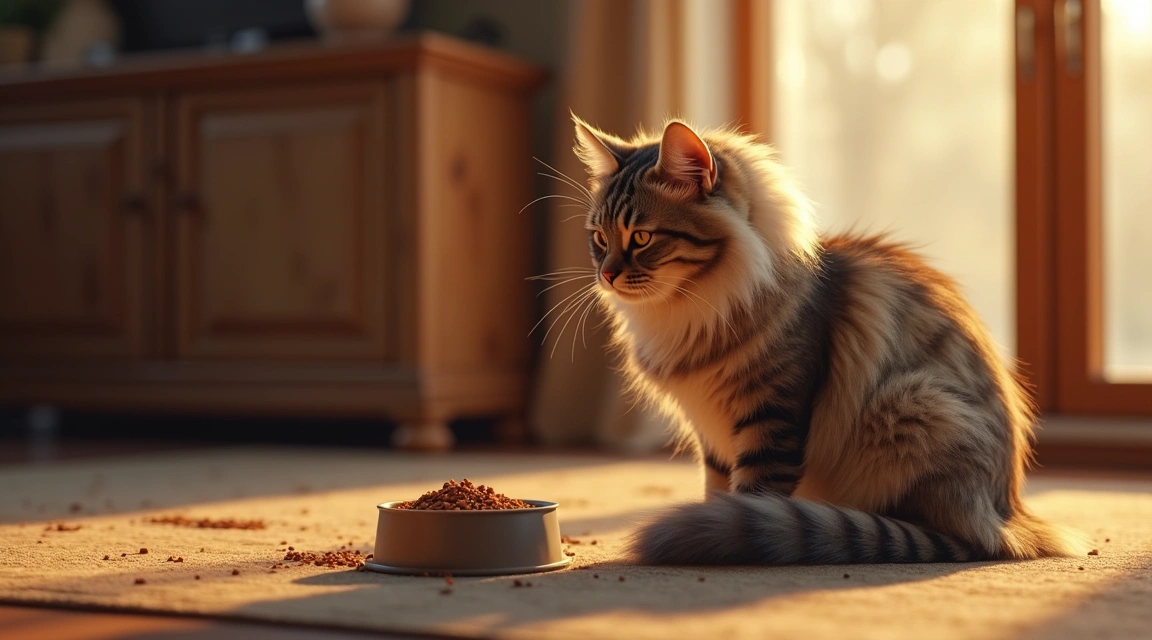
Long-haired cat breeds like Persians, Maine Coons, Ragdolls, and Norwegian Forest Cats are stunning companions, but their luxurious coats demand more than just regular grooming—they need nutrition that supports coat health from the inside out. Choosing the right cat food for these breeds involves understanding how protein quality, omega fatty acids, and fiber work together to prevent matting, reduce shedding, and minimize hairballs. This guide breaks down what to look for when selecting food for your long-haired feline, comparing popular options and matching recommendations to your cat’s specific needs.
Essential Nutritional Criteria for Long-Haired Cats
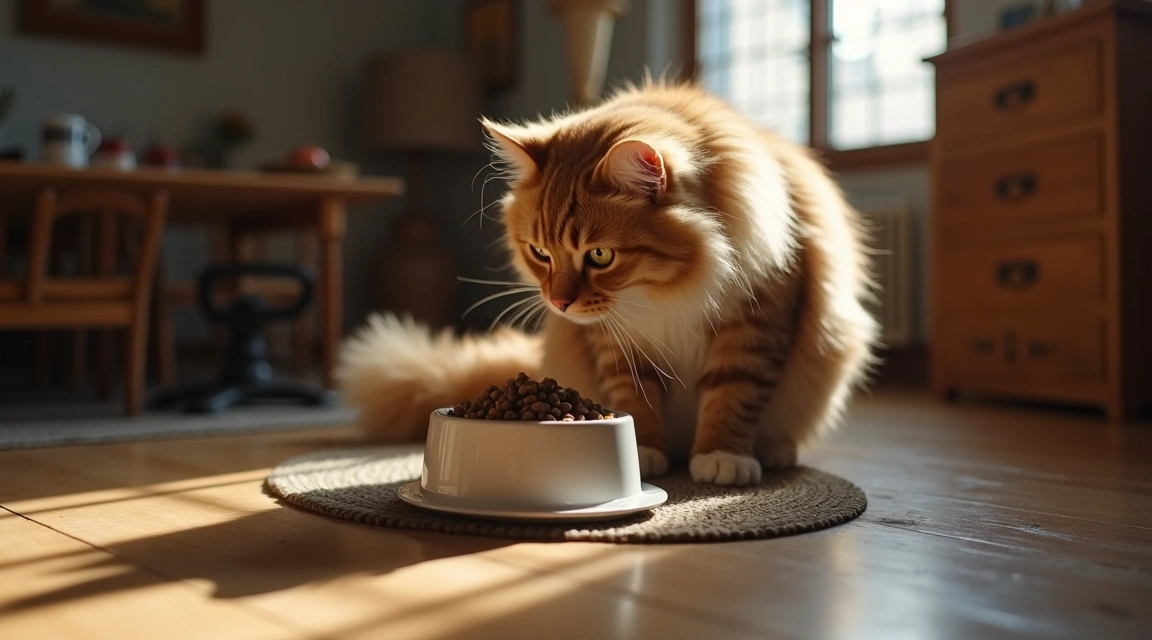
Long-haired breeds face unique challenges that standard cat food formulas may not fully address. The primary concern is hairball formation, as these cats ingest significantly more fur during grooming. Additionally, their coats require sustained nutritional support to maintain shine, prevent breakage, and reduce excessive shedding.
High-Quality Protein: Look for foods where real meat (chicken, turkey, salmon, or lamb) is the first ingredient. Long-haired cats need at least 30-40% protein content to support both muscle maintenance and keratin production, the structural protein in hair. Avoid formulas that list “meat by-products” or “meat meal” as primary sources without specifying the animal.
Omega-3 and Omega-6 Fatty Acids: These essential fats directly impact coat quality. Omega-3s from fish oil or flaxseed reduce inflammation and promote skin health, while omega-6s from chicken fat or sunflower oil add luster to fur. An ideal ratio is roughly 5:1 to 10:1 omega-6 to omega-3. Foods with EPA and DHA from marine sources offer superior absorption compared to plant-based alternatives.
Enhanced Fiber Content: Dietary fiber (3-6%) helps move ingested hair through the digestive tract, reducing hairball frequency. Look for ingredients like beet pulp, psyllium husk, or pumpkin. Some formulas specifically marketed for hairball control increase fiber to 7-8%, though excessively high levels may interfere with nutrient absorption.
Added Vitamins and Minerals: Biotin (vitamin B7), zinc, and vitamin E support skin barrier function and hair follicle health. Taurine, while essential for all cats, becomes especially important for long-haired breeds because coat maintenance increases metabolic demands.
Comparing Top Food Options for Long-Haired Breeds
| Food Type | Protein Content | Fiber Level | Key Benefits | Best For |
|---|---|---|---|---|
| Breed-Specific Dry Formula (e.g., Royal Canin Persian, Blue Buffalo Long-Haired) | 28-32% | 5-7% | Tailored kibble shape for brachycephalic breeds; added psyllium for hairball control; precise omega balance | Owners prioritizing convenience and specialized nutrition; cats prone to hairballs |
| High-Protein Grain-Free Dry (e.g., Orijen, Taste of the Wild) | 38-42% | 3-4% | Maximum protein from multiple meat sources; lower carbohydrates; rich in natural omega-3s | Active cats, younger long-haired breeds, owners avoiding grain; may require supplemental fiber |
| Wet Food with Coat Support (e.g., Wellness CORE, Instinct Ultimate Protein) | 10-12% (wet basis), ~40-45% dry matter | 1-2% | Superior hydration; highly digestible protein; natural moisture reduces hairball risk | Cats with low water intake, senior long-haired cats, those transitioning from low-quality diets |
Each option carries tradeoffs. Breed-specific formulas offer targeted nutrition but may include fillers like corn or wheat. Grain-free high-protein foods deliver exceptional coat shine but can be calorie-dense, requiring careful portion control. Wet foods excel at hydration and palatability yet cost more per feeding and may require dental care supplementation since they don’t provide the mechanical cleaning action of dry kibble.
Matching Food to Your Cat’s Life Stage and Health Status
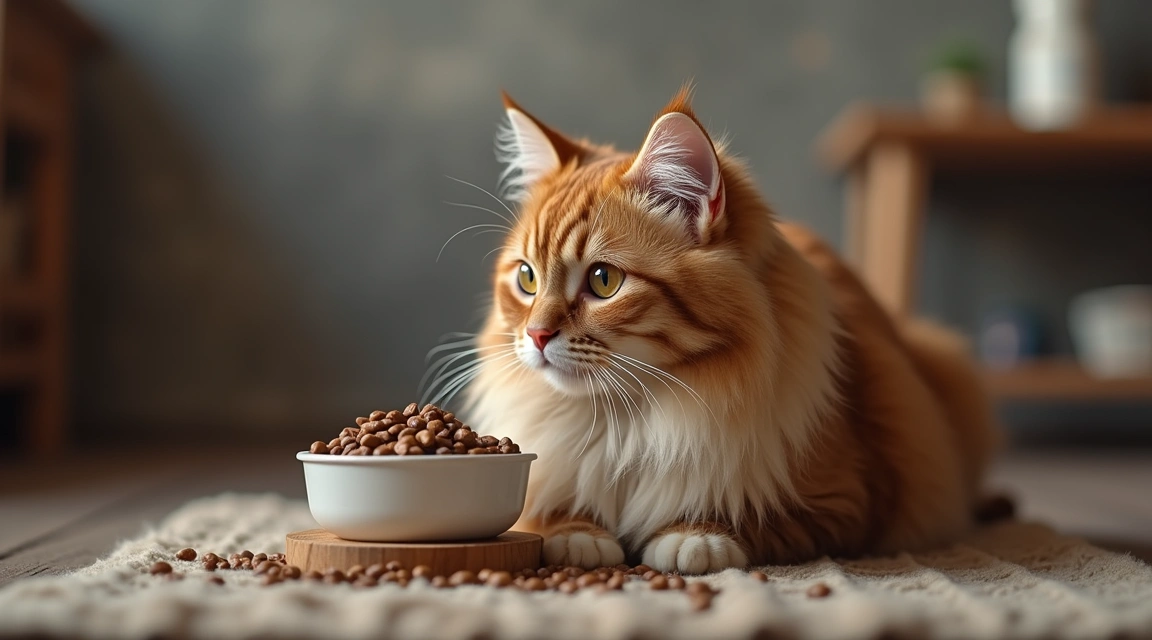
Kittens and Young Adults (Under 3 Years): Long-haired kittens need calorie-dense formulas with at least 35% protein and 15-20% fat to support rapid growth and coat development. Look for foods with DHA for brain development and calcium for bone health. Persian or Ragdoll kittens benefit from smaller kibble sizes or softer textures during the transition from nursing. Introduce hairball-control fiber gradually around six months as grooming habits intensify.
Mature Adults (3-10 Years): This life stage demands balanced maintenance nutrition. A formula with 30-35% protein, moderate fat (12-16%), and enhanced fiber (5-6%) works well for most long-haired adults. If your cat develops hairballs more than twice monthly, consider increasing fiber or adding a wet food meal to boost moisture intake. Monitor body condition closely—long-haired breeds can hide weight gain under their coats.
Seniors (Over 10 Years): Older long-haired cats often experience reduced grooming efficiency, leading to mats and increased hairball risk. Senior formulas with easily digestible proteins (chicken, turkey, or fish), joint-supporting glucosamine, and controlled phosphorus (for kidney health) become priorities. Consider mixing wet and dry food to ensure hydration while maintaining dental benefits. Omega-3 levels around 0.4-0.6% help manage age-related inflammation affecting skin health.
Cats with Specific Health Concerns: If your long-haired cat suffers from chronic hairballs despite dietary changes, consult your veterinarian about underlying issues like inflammatory bowel disease or inadequate grooming due to arthritis. Cats with sensitive stomachs may need limited-ingredient diets featuring novel proteins (venison, duck, or rabbit) and easily digestible carbohydrates like sweet potato. For overweight long-haired cats, choose weight management formulas maintaining high protein (35%+) while reducing fat to 9-12%, ensuring coat quality doesn’t suffer during calorie restriction.
Practical Feeding Strategies and Red Flags to Avoid
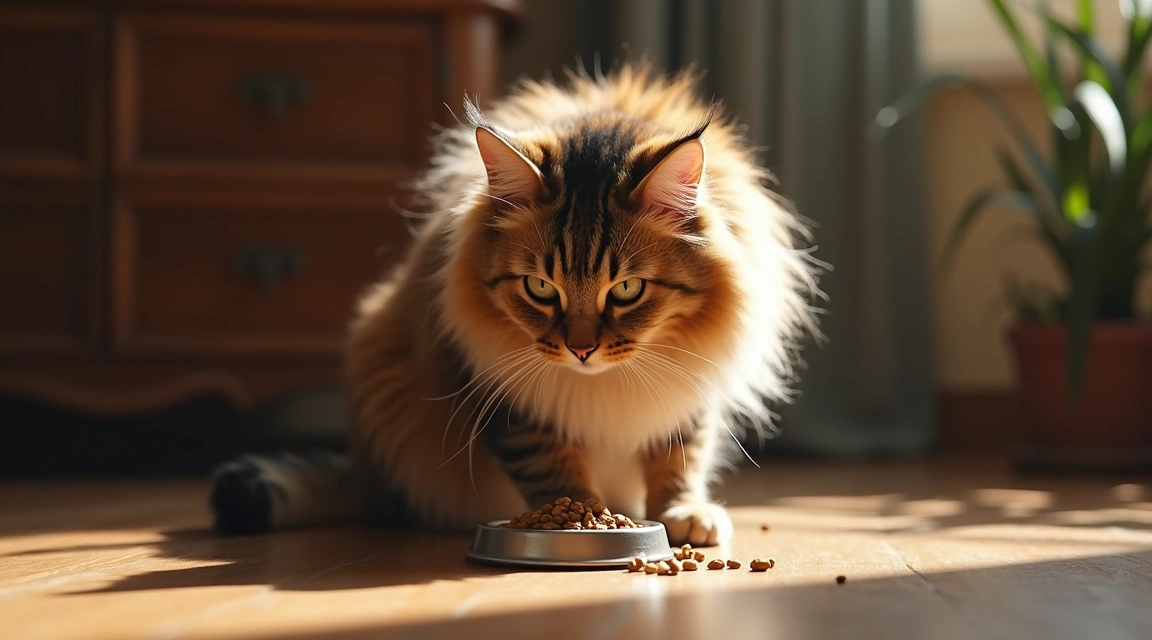
Beyond selecting the right formula, how you feed matters. Divide daily portions into two or three smaller meals to prevent overeating and support steady nutrient delivery for coat health. Always provide fresh water—dehydration concentrates urine and can dull coat appearance. Some owners find fountain-style water bowls encourage better hydration in long-haired breeds.
Introduce new foods gradually over 7-10 days, mixing increasing amounts with the old food to prevent digestive upset. Long-haired cats can be particularly sensitive to abrupt dietary changes, leading to vomiting or diarrhea that compromises coat condition.
Ingredients to Avoid: Steer clear of foods listing excessive fillers like corn gluten meal, wheat middlings, or unnamed “animal fat” as primary ingredients. Artificial colors (Red 40, Yellow 5) serve no nutritional purpose and may trigger sensitivities. Be cautious with foods containing carrageenan in wet formulas, as some studies link it to gastrointestinal inflammation in cats.
Watch for marketing gimmicks. Terms like “natural” and “holistic” aren’t regulated by AAFCO, so they don’t guarantee quality. Instead, verify the food meets AAFCO standards for your cat’s life stage and check for a named feeding trial statement rather than just “formulated to meet” language.
Final Recommendations: Which Food Suits Your Long-Haired Cat?
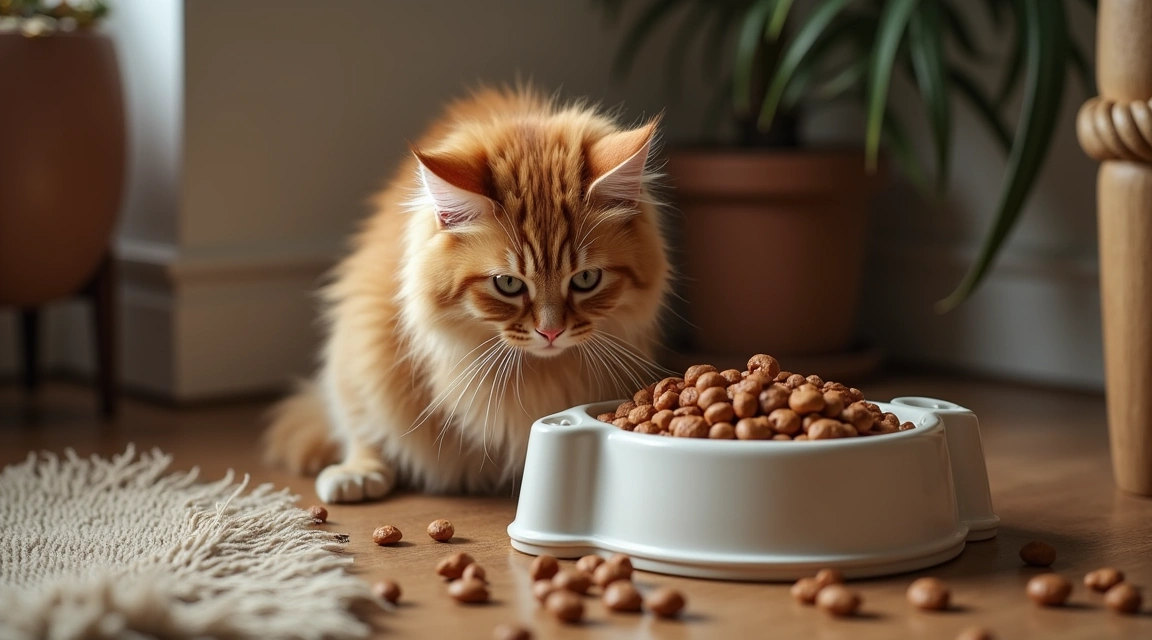
For most long-haired cat owners seeking convenience and proven results, breed-specific dry formulas from established brands offer the best balance of targeted nutrition, hairball control, and affordability. These work especially well for Persian, Himalayan, and Exotic Shorthair breeds with unique jaw structures requiring specialized kibble shapes.
If your priority is maximizing coat quality and you have an active, healthy cat, high-protein grain-free options deliver exceptional results. You’ll likely notice improved shine and reduced shedding within 4-6 weeks, though you may need to add a fiber supplement or weekly wet food meals to manage hairballs effectively.
For senior long-haired cats or those with hydration issues, a mixed feeding approach—combining high-quality wet food with strategic dry kibble—provides optimal results. The wet food supplies moisture and easily digestible protein, while limited dry food maintains dental health.
Ultimately, the best food for your long-haired cat produces firm stools, maintains ideal body weight, results in a glossy tangle-free coat, and minimizes hairballs to fewer than one per month. Monitor your cat’s response over 8-12 weeks after any dietary change, and don’t hesitate to consult your veterinarian if coat quality declines or digestive issues persist. Your long-haired companion’s stunning appearance starts with what’s in their bowl—choose wisely, and both you and your cat will appreciate the difference.