
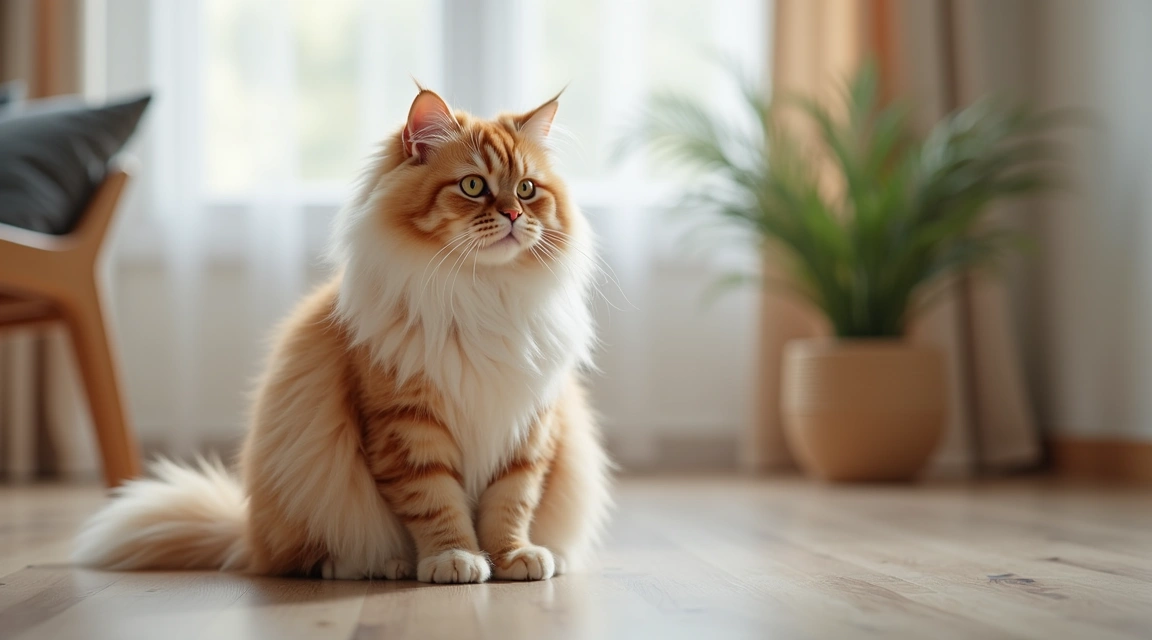
I’ve spent years around both Persian and Siberian cats, and choosing between these two gorgeous breeds is like picking between silk pajamas and a cozy wool sweater—both luxurious, but in completely different ways. If you’re weighing a Persian versus a Siberian cat for your home, you’re looking at two breeds that couldn’t be more different in personality, care needs, and lifestyle fit, despite both being long-haired beauties.
Persians are the quiet, elegant lap cats of the feline world—calm, sweet-tempered, and perfectly content to lounge on a cushion all day. Siberians, on the other hand, are athletic adventurers wrapped in thick, water-resistant coats. They’re playful, social, and surprisingly dog-like in their attachment to their humans. Understanding these core differences will save you from mismatched expectations and help you find the right fit for your household.
What Makes Persian Cats Stand Out
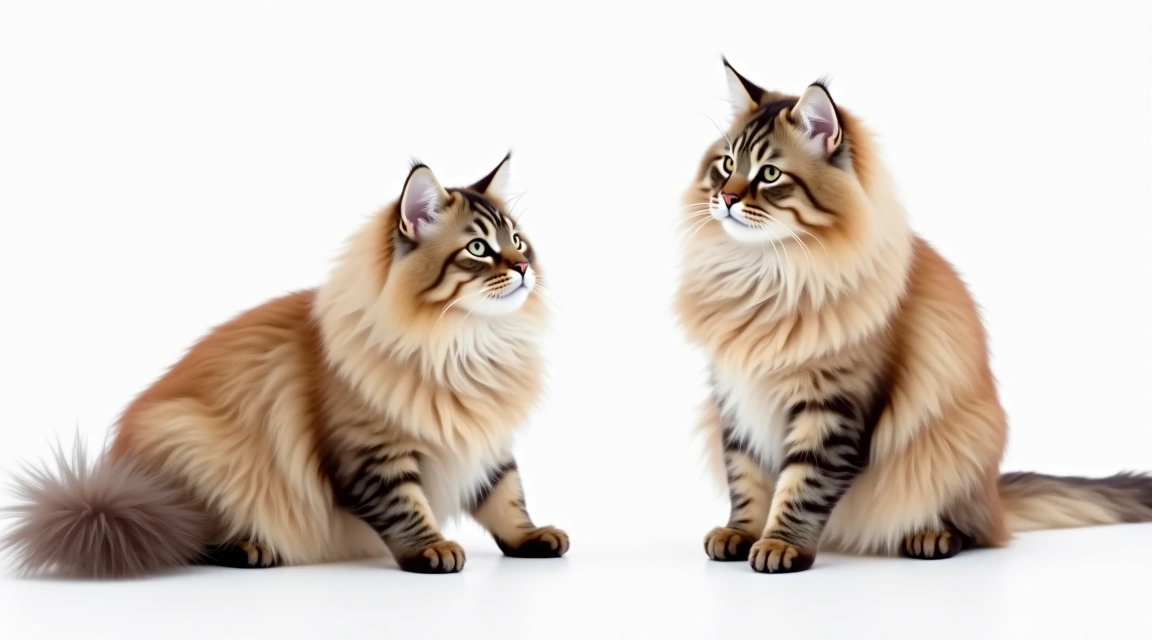
Persian cats have that unmistakable flat face, round eyes, and flowing coat that looks like it belongs in a shampoo commercial. They’re one of the oldest and most recognized breeds, bred for companionship and beauty. Their temperament is generally docile and sweet—they’re not going to race around your house at 3 a.m. or knock your coffee mug off the counter for sport.
From my experience, Persians are perfect for quieter homes. They enjoy routine, predictable environments, and aren’t big fans of chaos or loud noises. If you work from home or enjoy peaceful evenings on the couch, a Persian will happily curl up beside you and stay there for hours. They’re affectionate without being demanding, and they tend to bond closely with their favorite person.
One major consideration is grooming. Persian coats mat easily and require daily brushing—sometimes even twice a day during shedding season. Their flat faces can also lead to tear staining and breathing issues, so you’ll need to wipe their eyes regularly and monitor their respiratory health. These aren’t low-maintenance cats, and potential owners need to be realistic about the time commitment involved.
What Makes Siberian Cats Unique
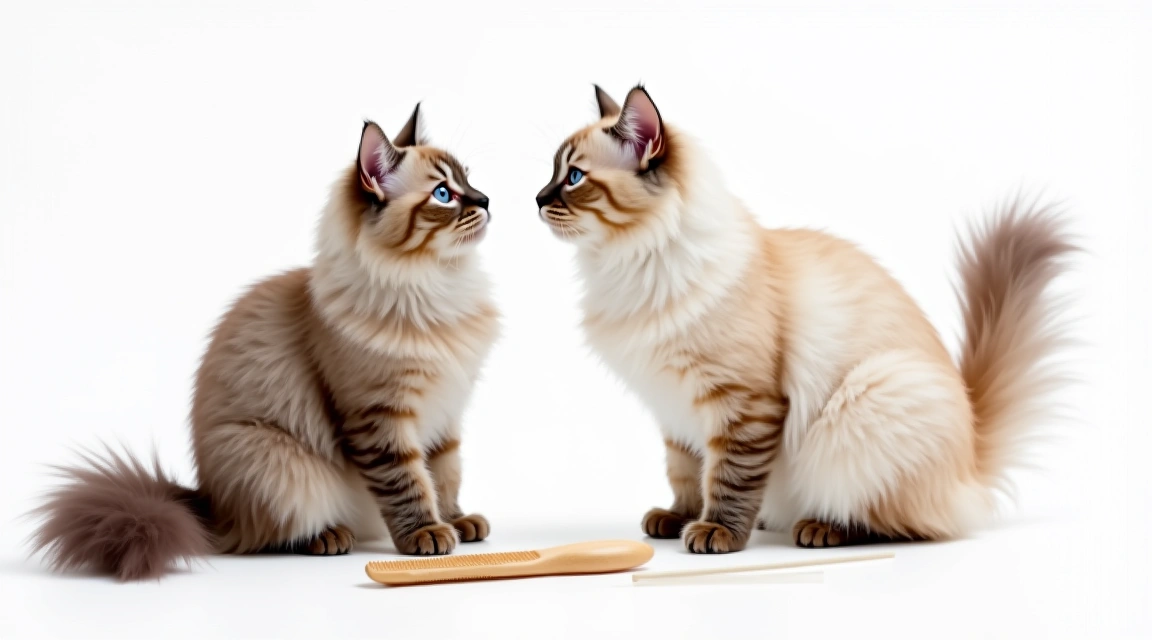
Siberians are Russia’s contribution to the world of majestic house cats. They’re large, sturdy, and built for cold climates, with triple-layered coats that repel water and thick ruffs around their necks. Despite all that fur, many people with cat allergies report fewer reactions to Siberians because they produce lower levels of the Fel d 1 protein. It’s not a guarantee, but it’s worth considering if allergies are a concern in your household.
What surprises most first-time Siberian owners is their personality. These cats are social, curious, and surprisingly playful well into adulthood. They’ll follow you from room to room, greet you at the door, and even play fetch if you’re willing to teach them. I’ve seen Siberians learn to open doors, turn on faucets, and figure out puzzle feeders with impressive speed. They’re smart and need mental stimulation, not just a food bowl and a sunny spot.
Siberians also tend to get along well with dogs, children, and other cats, making them a solid choice for busy, multi-pet households. Their coat, while thick, doesn’t mat as easily as a Persian’s because the texture is coarser and more water-resistant. You’ll still need to brush them several times a week, especially during their spring and fall shedding cycles, but daily grooming isn’t usually necessary.
Comparing Care, Health, and Lifespan
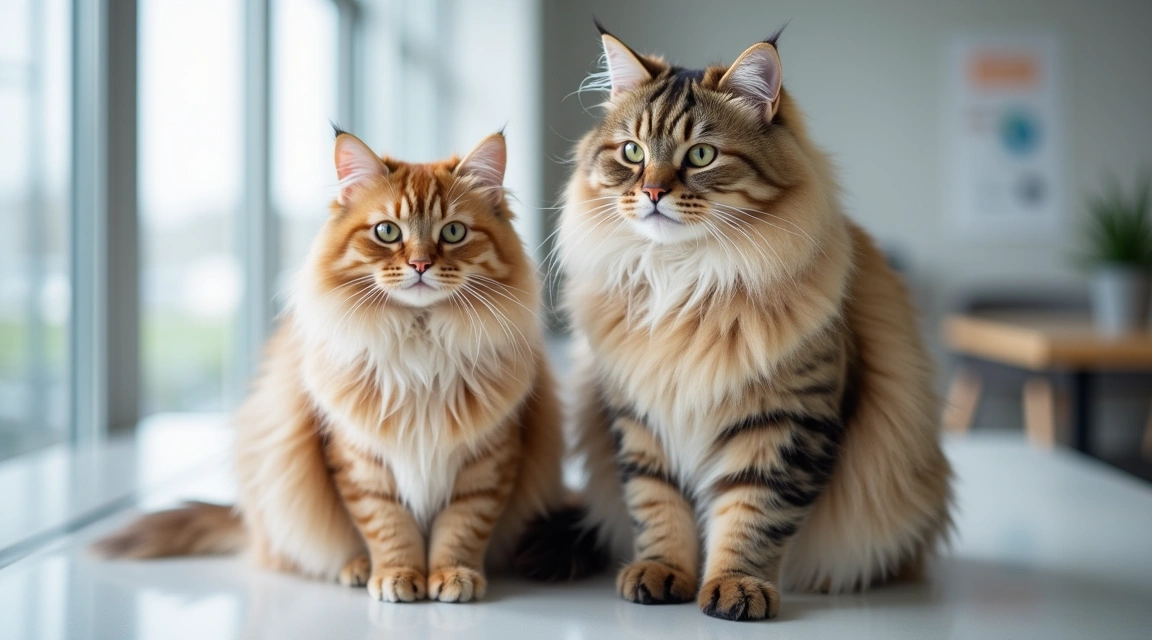
Persians generally live between 12 and 17 years, though some health issues are common due to their brachycephalic (flat-faced) structure. Polycystic kidney disease, breathing difficulties, dental issues, and eye problems are all risks you should discuss with your vet. Regular checkups and proactive care can help manage these concerns, but you need to budget for potentially higher veterinary costs over their lifetime.
Siberians are typically robust and healthy, with lifespans ranging from 12 to 16 years. They’re a natural breed, which means they haven’t been subjected to the same intensive selective breeding that can amplify genetic issues. Hypertrophic cardiomyopathy is the main heart condition to watch for, but overall, Siberians tend to have fewer breed-specific health problems than Persians.
Both breeds need quality nutrition, regular vet visits, and a safe indoor environment. However, Siberians benefit from enrichment activities—cat trees, interactive toys, and even leash training if you’re adventurous. Persians are more content with simple pleasures: a clean litter box, a soft bed, and your company.
If you’re interested in learning more about different breeds and their unique traits, you might want to explore our Cat Breeds section for additional comparisons and care guides.
Pros of Choosing a Persian Cat
- Calm and affectionate: Persians are gentle, easygoing companions who thrive in quiet, stable homes.
- Low activity level: They don’t require a lot of space or high-energy play sessions, making them ideal for apartments or smaller living spaces.
- Beautiful appearance: Their luxurious coats and sweet faces are undeniably stunning.
- Predictable temperament: Most Persians are consistent in personality—what you see is what you get.
Cons of Choosing a Persian Cat
- High grooming needs: Daily brushing is essential to prevent mats, tangles, and discomfort.
- Health vulnerabilities: Flat faces bring breathing issues, tear staining, and dental challenges.
- Not ideal for active households: If you have young kids or energetic pets, a Persian might feel overwhelmed.
- Higher vet costs: Breed-specific health problems can add up over time.
Pros of Choosing a Siberian Cat
- Playful and intelligent: Siberians stay kitten-like for years and enjoy interactive games and challenges.
- Hypoallergenic potential: Many allergy sufferers tolerate Siberians better than other breeds, though individual reactions vary.
- Social and adaptable: They do well with children, dogs, and other cats, and they’re not overly shy or anxious.
- Healthier overall: Fewer genetic health issues compared to many purebred cats.
Cons of Choosing a Siberian Cat
- Need for activity: Siberians can become bored or destructive without enough stimulation.
- Heavy shedding: Twice a year, they blow their coat, and you’ll find fur everywhere despite regular grooming.
- Higher cost: Siberian kittens from reputable breeders can be expensive, and availability may be limited depending on your region.
- Not lap cats by default: While affectionate, Siberians prefer being near you rather than on you, and they’re too busy exploring to sit still for long.
Who Should Choose a Persian vs. a Siberian?
Choose a Persian if you want a serene, low-energy companion who’s happy to spend hours lounging in your presence. They’re perfect for retirees, single professionals with predictable schedules, or anyone who enjoys a slower pace of life. Just be prepared to commit to daily grooming and stay vigilant about their health needs.
Choose a Siberian if you have an active household, enjoy interactive play, or need a cat that can keep up with kids and other pets. Siberians are ideal for families who want a sturdy, affectionate cat with personality and brains. They’re also a good option if you’ve struggled with cat allergies in the past but want to give feline ownership another shot.
Neither breed is inherently better—it all comes down to your lifestyle, space, time, and expectations. I’ve loved both breeds for different reasons, and the right choice depends entirely on what kind of relationship you want with your cat.
Frequently Asked Questions
Are Siberian cats really hypoallergenic?
Siberian cats are considered hypoallergenic by some because they tend to produce lower levels of the Fel d 1 allergen compared to other breeds. However, no cat is completely allergen-free. If you have allergies, spend time with a Siberian before committing to adoption, and consider getting tested for your specific sensitivity. Some people experience significant relief, while others still react.
How much grooming does a Persian cat actually need?
Persians require daily brushing to prevent mats and tangles in their long, fine coats. You’ll also need to wipe their eyes regularly to manage tear staining and check their ears for wax buildup. Many Persian owners schedule professional grooming every few months to keep the coat in top condition and trim around the face and paws. Skipping grooming sessions can lead to painful mats and skin problems.
Can a Siberian cat live happily in an apartment?
Yes, but you’ll need to provide plenty of vertical space, interactive toys, and regular play sessions. Siberians are adaptable and can thrive in apartments as long as they have opportunities to climb, explore, and burn energy. A tall cat tree, puzzle feeders, and daily interactive play will help keep your Siberian content in a smaller space. Ignoring their activity needs can lead to behavior problems like excessive meowing or destructive scratching.