
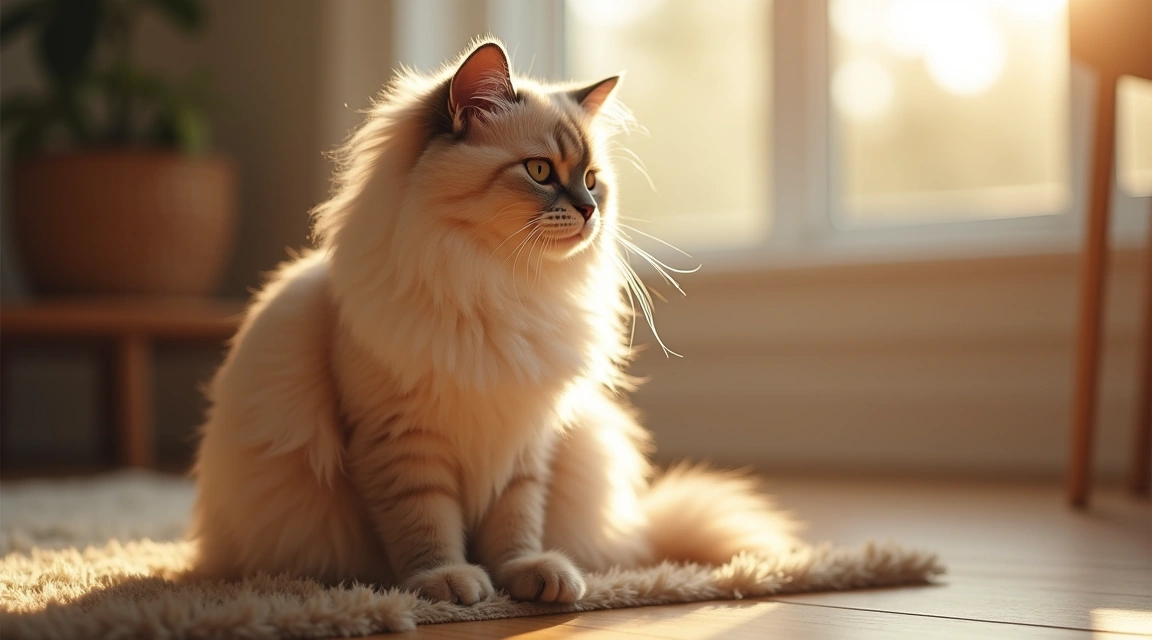
When I brought home my first Persian cat, Luna, I expected a fluffy, regal companion who might tolerate my presence. What I didn’t expect was the deeply affectionate bond we’d develop. Persian cats have a reputation for being aloof show cats, but anyone who’s lived with one knows they’re secret cuddle experts who express their love in surprisingly subtle—and sometimes hilarious—ways. After years of sharing my home with these gentle giants, I’ve learned to recognize the unique language of Persian cat affection.
Unlike some breeds that announce their love with constant meowing or energetic play, Persians are the poets of the cat world. Their affection is quieter, more deliberate, and often expressed through behaviors that new owners might initially miss. Understanding how your Persian shows love can transform your relationship and help you respond in ways that deepen your bond.
The Signature Ways Persian Cats Show They Love You
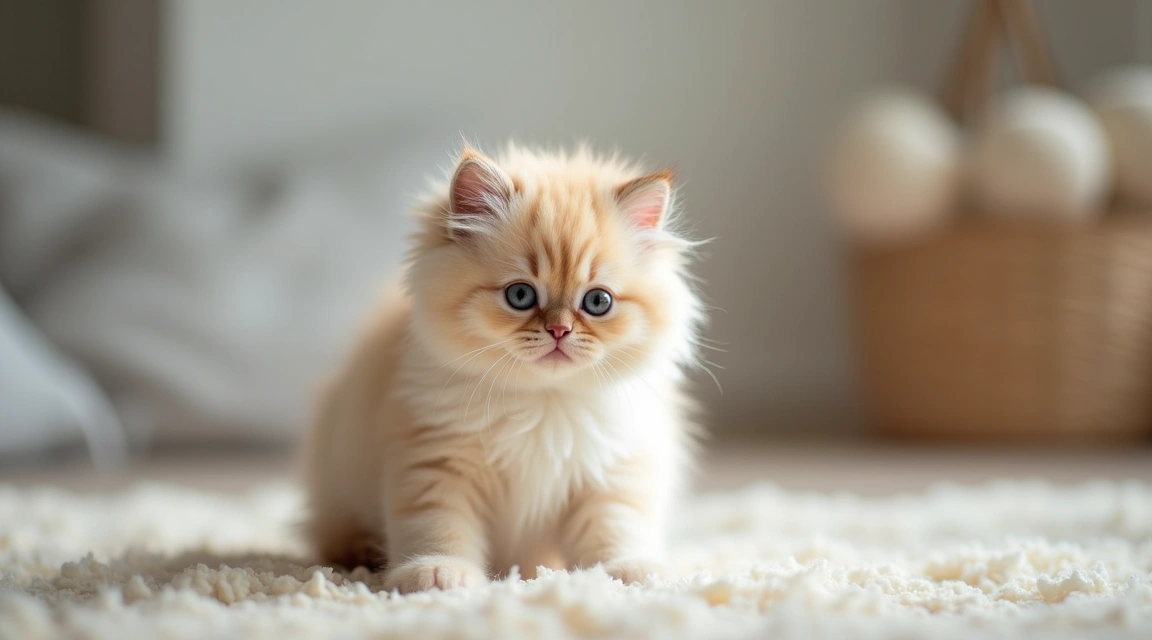
Persian cats have developed their own dialect of affection that differs markedly from other breeds. The most obvious sign is their preference for sitting near you rather than on you—at least initially. My Persian, Oliver, spent his first month positioning himself exactly three feet away from me on the couch. I thought he was indifferent until I realized he was always in the same room, maintaining visual contact. This “parallel presence” is classic Persian behavior.
The slow blink is perhaps the most universally recognized Persian affection signal. When your Persian looks at you and deliberately closes their eyes slowly, they’re essentially blowing you a kiss. I’ve found that returning the slow blink creates a feedback loop of trust and contentment. It’s their version of saying “I feel safe with you.”
Head bunting and cheek rubbing are more tactile expressions. Persians have scent glands on their cheeks and forehead, and when they rub against your hand, leg, or face, they’re marking you as part of their family unit. Luna does this every morning before breakfast, circling my ankles and pressing her flat face against my shin with surprising force for such a delicate-looking cat.
The kneading ritual—sometimes called “making biscuits”—is behavior carried over from kittenhood. When your Persian settles on your lap and rhythmically pushes their paws against you, they’re recreating the nursing motion that once brought them comfort and milk. Yes, the claws can be uncomfortable, but it’s one of the highest compliments a Persian can give you. For tips on overall care and building trust with your Persian companion, visit our Persian Cats resource section.
Persians also show affection through grooming invitations. If your cat licks your hand, hair, or face, they’re including you in their grooming routine—a profoundly social activity. Some Persians will present themselves for brushing by walking up and deliberately placing their head under your hand, a behavior I find both demanding and endearing.
What Works Well About Persian Affection Style
The gentle, low-key nature of Persian affection is ideal for people who want companionship without constant demands for attention. These cats aren’t typically the type to knock things off your desk or yowl at 3 AM for entertainment. Their affection is steady and predictable, which creates a calming presence in your home.
Persians are exceptional lap warmers once they’ve bonded with you. Unlike more active breeds that might sit for thirty seconds before dashing off, a Persian will commit to a two-hour lap session. During work-from-home days, Oliver has spent entire Zoom meetings purring on my lap, providing both warmth and stress relief.
Their quiet vocalizations are another advantage. Persians do meow, but it’s typically a soft, melodious sound rather than the demanding wail of a Siamese. When Luna wants attention, she emits a gentle trill that’s more like a question than a demand. This makes them excellent companions for apartment living or for people sensitive to noise.
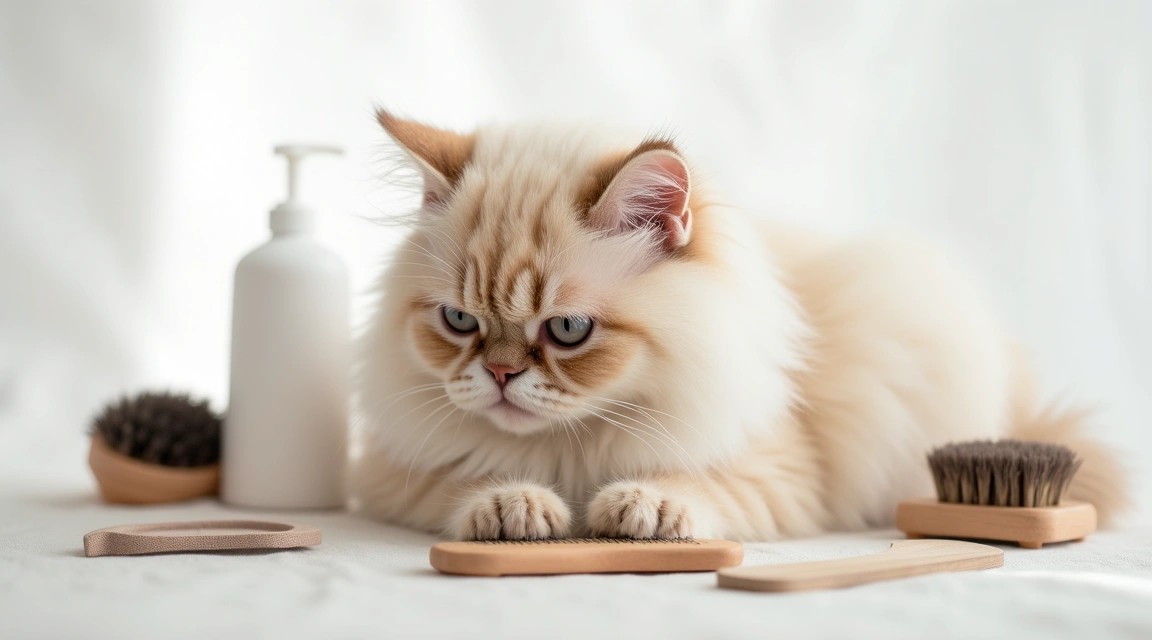
The grooming routine required for Persian coats actually becomes a bonding activity. Daily brushing sessions create structured one-on-one time where your cat learns to associate your touch with comfort and care. I’ve found that these fifteen-minute grooming sessions are when my Persians are most communicative, purring and sometimes “chatting” with soft chirps.
Persians tend to form strong attachments to their primary caregiver. While they’re generally tolerant of other family members, they often select one person as their special human. This creates an intensely loyal bond—my Persian follows me from room to room and waits outside the bathroom door, behavior that’s both flattering and occasionally inconvenient.
The Challenges and Limitations
The reserved nature that makes Persians so peaceful can also be frustrating for owners who want more interactive affection. If you’re hoping for a cat who plays fetch, learns tricks quickly, or greets you at the door with enthusiastic meows, a Persian might disappoint you. Their affection is contemplative rather than exuberant.
Persians can be sensitive to environmental changes, and stress may cause them to withdraw affection temporarily. When I moved apartments, Luna stopped her morning cuddle routine for nearly three weeks. This emotional sensitivity means you need patience and consistency to maintain the bond, especially during transitions.
The grooming requirement isn’t optional—it’s mandatory for the cat’s health and comfort. If you skip brushing sessions, their long coat mats quickly, which can be painful and lead to skin problems. This means the affectionate bonding time I mentioned earlier isn’t really optional; it’s a care requirement that happens to build connection. Some people may find this level of maintenance exhausting rather than rewarding.
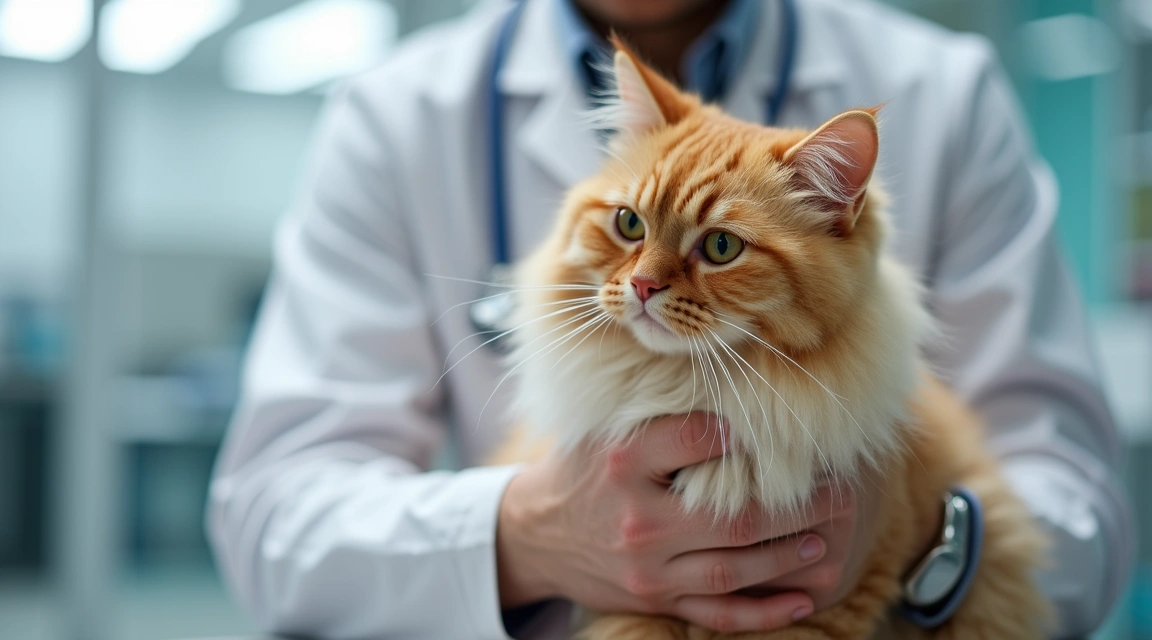
Persian facial structure can lead to eye discharge and breathing considerations that require daily attention. Wiping eye corners and monitoring for respiratory issues becomes part of your routine. While these tasks can be bonding moments, they’re also medical necessities that some owners find overwhelming or unpleasant.
They’re not ideal for households that want a cat who tolerates being carried around or dressed up. Most Persians prefer to initiate contact on their own terms. Forcing affection or handling them roughly can damage trust. I learned this the hard way when I tried to pick up Oliver for a photo—he avoided me for the rest of the day.
Who Persian Cat Affection Is Perfect For
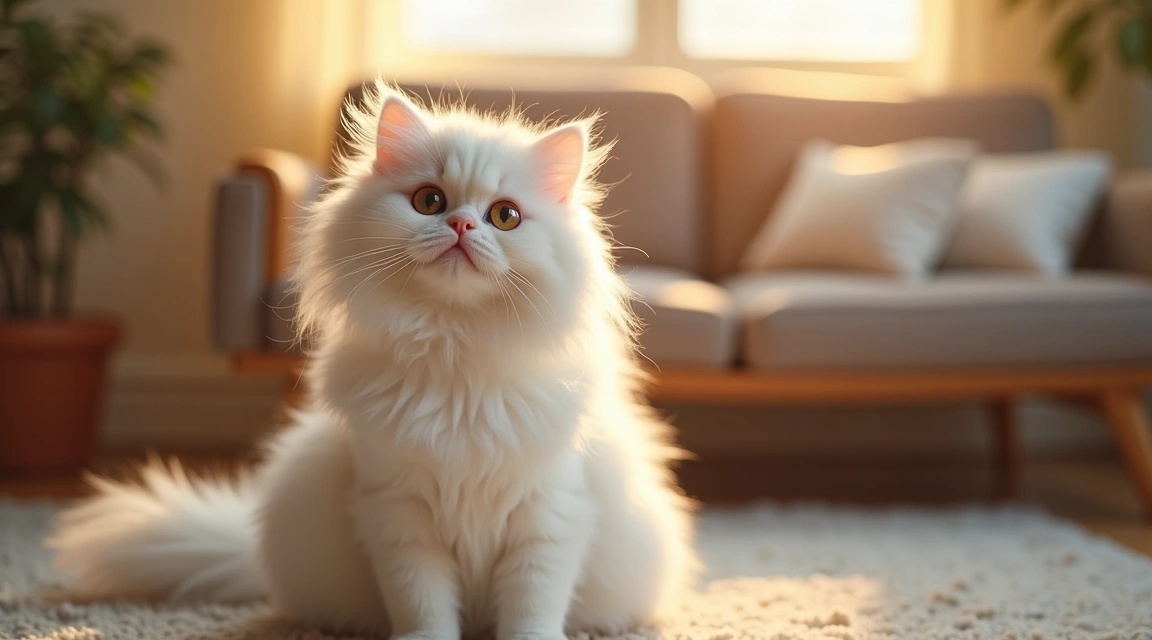
Persian affection style is ideal for people who work from home or have predictable schedules. These cats thrive on routine and gentle, consistent interaction. If you’re home most days and enjoy quiet companionship while reading, working, or watching television, a Persian is an excellent match.
They’re wonderful for calm households without young children or other highly active pets. Persians generally prefer peaceful environments where they can observe from comfortable perches. Homes with adults, older children who understand gentle handling, or other calm cats tend to bring out the best in Persian affection.
People who find grooming and care routines meditative rather than burdensome will appreciate the daily rituals that strengthen the Persian bond. If you’re someone who enjoys structured pet care and finds brushing therapeutic, you’ll love how these sessions deepen your relationship.
Persians suit individuals who appreciate subtle communication and are observant enough to notice the quiet ways cats show love. If you’re patient, attentive, and don’t need constant validation of your pet’s affection, you’ll recognize and value the ways Persians express their devotion.
They’re less suitable for highly active households, people with limited time for daily grooming, or anyone who wants a playful, energetic cat. Similarly, if you travel frequently or work long, unpredictable hours, the Persian’s need for routine and their sensitivity to change might create stress for both you and the cat.
Frequently Asked Questions
Do Persian cats prefer one person or bond with the whole family?
Most Persians select a primary person as their main companion while remaining tolerant and affectionate with other household members. They’re capable of bonding with multiple people, but they typically show their deepest affection—lap sitting, following from room to room, sleeping on the bed—with one chosen human. Other family members can strengthen their relationship through consistent feeding, grooming, or play sessions.
How long does it take for a Persian cat to show affection to a new owner?
The timeline varies significantly based on the cat’s history and personality. A kitten from a reputable breeder might show affection within days, while a rescue or rehomed adult Persian may need several weeks to several months. In my experience, consistent routine, gentle handling, and daily grooming sessions typically yield visible affection signs within three to six weeks. Forcing interaction slows the process, while allowing the cat to approach on their terms accelerates bonding.
Are Persian cats more affectionate than other breeds?
Persian cats aren’t necessarily more affectionate, but they express affection differently. Breeds like Ragdolls or Burmese might be more overtly cuddly and tolerant of handling, while Persians offer quieter, more reserved devotion. They’re less likely to demand constant attention but more likely to provide steady, calm companionship. Whether this registers as “more affectionate” depends on what type of affection you value—enthusiastic interaction versus peaceful presence.