
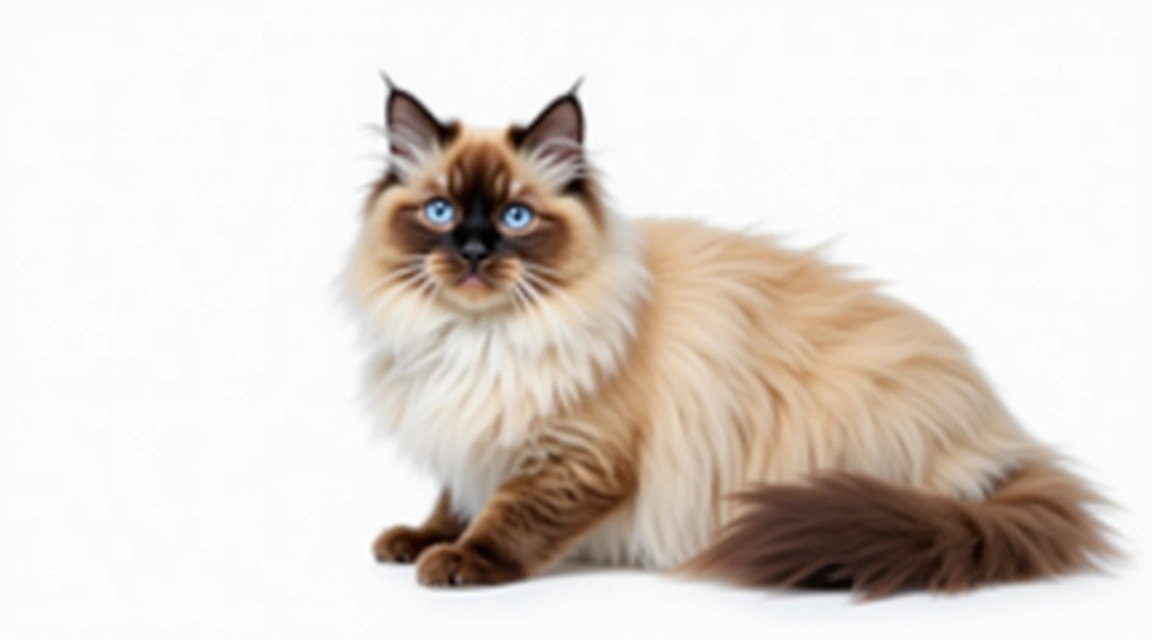
Persian cats are among the most recognizable and beloved cat breeds in the world, known for their luxurious coats, flat faces, and gentle temperaments. If you’re considering adding a Persian to your family or simply curious about what to expect, understanding their size and weight characteristics is essential for proper care, nutrition, and living space planning. Persian cats fall into the medium to large category of domestic cats, and their substantial build contributes to their regal appearance and sturdy presence.
This comprehensive guide explores the typical size and weight ranges for Persian cats throughout their life stages, factors that influence their growth, and practical considerations for keeping your Persian healthy and comfortable. Whether you’re a prospective owner or already share your home with one of these magnificent felines, knowing what to expect helps you provide the best possible care.
Typical Adult Persian Cat Size and Weight
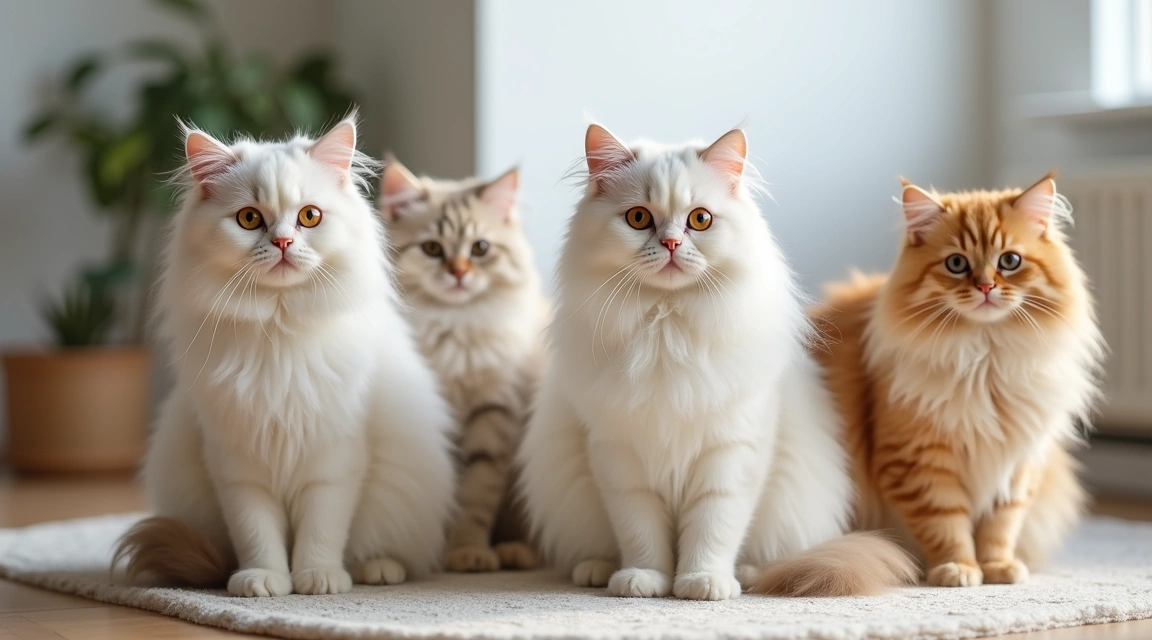
Adult Persian cats are generally considered medium to large cats with a cobby, compact body structure. Their sturdy bone structure and muscular build give them a solid, substantial feel despite their often sedentary nature. The breed standard emphasizes a well-balanced appearance with a broad chest, short legs, and a low-slung body that creates their characteristic stocky profile.
Male Persians typically weigh more and measure larger than females. Adult males usually range in the upper portion of the breed’s weight spectrum, while females tend toward the lower to middle range. The difference isn’t dramatic, but it’s noticeable when comparing cats side by side. Both sexes share the same overall body type and proportions, with males simply expressing these features on a slightly larger scale.
The thick, flowing coat that defines the Persian breed can make these cats appear larger than they actually are. When you handle a Persian, you might be surprised by how much of their apparent bulk is luxurious fur rather than body mass. This is an important consideration when assessing whether your cat is at a healthy weight—always feel for the ribs and backbone beneath the coat rather than relying solely on visual assessment.
Body length from nose to tail base typically creates a balanced, square appearance rather than the elongated profile seen in some other breeds. Their legs are proportionally short and thick, contributing to their low-to-the-ground stance. The tail is short and bushy, carried lower than the back in a graceful curve. For more information about Persian cat characteristics and care, visit our Persian Cats section.
Growth Stages and Development Timeline

Persian kittens are born relatively small but grow steadily throughout their first year and into their second. Understanding the growth timeline helps owners ensure their cats are developing properly and receiving appropriate nutrition at each life stage.
During the first few weeks of life, Persian kittens are entirely dependent on their mother. At birth, they typically weigh just a few ounces and fit comfortably in the palm of your hand. Their eyes remain closed for the first week to ten days, and their mobility is limited. This early period is crucial for bonding with their mother and littermates.
By eight to twelve weeks, when most kittens go to their new homes, Persian kittens have grown considerably but still have a long way to go. At this age, they’re active, curious, and beginning to show the personality traits that will define them as adults. Their baby fluff is starting to develop into the longer coat texture characteristic of the breed, though the full coat won’t mature for several more months.
The most rapid growth occurs during the first six months, when kittens may seem to change weekly. Their appetite during this period is substantial relative to their body size, as they need significant energy to fuel their development. Providing high-quality kitten food formulated for growth is essential during this phase.
Between six months and one year, growth continues but at a slower pace. The cat’s frame is filling out, muscle mass is developing, and the adult coat is coming in fully. Male kittens may begin to show more obvious size differences from females during this period.
Persians typically reach their full adult size between eighteen months and two years of age, which is slightly later than many other cat breeds. Some individuals, particularly males, may continue to fill out and develop muscle mass until they’re three years old. This extended growth period is one reason why maintaining appropriate nutrition throughout the cat’s early years is so important.
Factors That Influence Persian Cat Size
Several factors work together to determine an individual Persian cat’s final adult size and weight. Understanding these influences helps set realistic expectations and identify potential health concerns early.
Genetics play the primary role in determining size. Cats from lines bred for show quality may have slightly different proportions than pet-quality Persians, though all should conform to the basic breed type. If you know the size of your kitten’s parents, you’ll have a good indication of what to expect as your cat matures. Breeders can often provide this information and may have photos or records of previous litters that show typical adult sizes.
Nutrition during the growth period significantly impacts final size and overall health. Kittens fed high-quality, appropriate food designed for growth will develop properly and reach their genetic potential. Conversely, inadequate nutrition during critical growth phases can result in a smaller adult size and potential health problems. However, overfeeding can lead to obesity, which is a separate concern from healthy growth.
Sex is a consistent predictor of size differences within the breed. Male Persians are reliably larger and heavier than females, though the difference is moderate rather than dramatic. This size dimorphism is common across most cat breeds and reflects normal biological patterns.
Neutering or spaying may have a slight effect on adult size. Cats altered before reaching full maturity sometimes grow slightly larger than they might have otherwise, as the absence of sex hormones can allow the growth plates in bones to remain open slightly longer. This effect is generally subtle and shouldn’t be a primary consideration in deciding when to spay or neuter your cat—follow your veterinarian’s recommendations based on your individual cat’s health and circumstances.
Health conditions can impact growth and development. Parasites, chronic infections, dental problems, or other medical issues during the growth period may prevent a kitten from reaching its full potential size. Regular veterinary care and prompt attention to health concerns help ensure proper development.
The distinction between a healthy, well-built Persian and an overweight one is important. Persian cats are prone to obesity, particularly as adults, because of their relatively low activity level and calm temperament. A healthy adult Persian should have a well-proportioned body with a visible waist when viewed from above and easily palpable ribs beneath the coat. If you cannot feel your cat’s ribs or spine with gentle pressure, or if the cat has lost its waist definition, a veterinary consultation about weight management is appropriate.
Practical Considerations for Persian Cat Owners
Understanding your Persian cat’s size helps you make practical decisions about equipment, living space, and care routines. These sturdy cats have specific needs related to their build and body type.
Litter boxes should be appropriately sized for adult Persians. A box that seems spacious for a kitten may become cramped as your cat grows. Many Persian owners find that large or extra-large litter boxes work best, giving their cats room to turn around comfortably and maintain good litter box habits. The sides shouldn’t be so high that an older cat has difficulty entering, but should be tall enough to contain litter when your cat digs.
Carriers for veterinary visits and travel need to accommodate your cat’s size comfortably. A carrier that’s too small causes stress and discomfort, while one that’s appropriately sized allows your cat to stand, turn around, and lie down naturally. Hard-sided carriers often provide better ventilation and structural integrity for medium to large cats.
Cat furniture, beds, and perches should support your Persian’s weight safely. This breed isn’t known for being particularly athletic or interested in extreme heights, but they do enjoy elevated spots for observation and resting. Ensure that any cat tree or climbing structure is stable and has platforms large enough for your cat to lounge comfortably.
Grooming challenges relate directly to size and coat density. A larger cat has more body surface to brush, and Persian cats require daily grooming to prevent mats and tangles in their long, thick coats. The substantial undercoat common in this breed means that grooming sessions can be time-consuming. Many owners establish a regular routine that includes thorough brushing, attention to problem areas like behind the ears and under the front legs, and periodic baths to keep the coat in optimal condition.
Feeding portions should be calibrated to your individual cat’s size, age, and activity level rather than following generic guidelines. Two adult Persians of the same sex may have different nutritional needs based on their build, metabolism, and lifestyle. Work with your veterinarian to determine the appropriate daily caloric intake for your cat and monitor body condition regularly to adjust as needed.
Health monitoring is easier when you know what’s normal for your cat. Establishing a baseline weight and body condition when your cat is young and healthy gives you a reference point for detecting changes. Gradual weight gain or loss can be subtle, particularly under a thick coat, but tracking weight at veterinary visits helps identify trends before they become problems.
Size and Weight Quick Reference
| Category | Description |
|---|---|
| Adult Male Size | Medium to large; cobby, muscular build with broad chest and short legs |
| Adult Female Size | Medium; same body type as males but moderately smaller overall |
| Body Type | Compact, low-slung, square proportions with substantial bone structure |
| Full Growth Timeline | Physical maturity reached between eighteen months and two years; some males continue filling out until three years |
| Coat Impact | Thick, long coat adds significant visual bulk; actual body size smaller than appearance suggests |
| Size Influencers | Genetics, sex, nutrition during growth, overall health status |
| Health Considerations | Prone to obesity; requires monitoring to maintain appropriate body condition throughout life |
| Equipment Needs | Large litter boxes, spacious carriers, stable cat furniture, comfortable beds |
Maintaining a Healthy Size Throughout Life
Helping your Persian cat maintain an appropriate size and healthy body condition throughout life requires ongoing attention and adjustments as your cat ages. The calm, sedentary nature of many Persians means they’re particularly susceptible to weight gain if caloric intake isn’t carefully managed.
Regular weigh-ins at home or during veterinary visits provide objective data about your cat’s weight trends. Small changes accumulating over months can be difficult to detect visually, especially under a thick coat. Keeping a simple log of weights and dates helps you spot trends early.
Body condition scoring is more informative than weight alone. A cat can be at a technically appropriate weight but have poor body composition if they’ve lost muscle mass and gained fat. Learning to assess your cat’s body condition by feel—checking for easily palpable ribs, a visible waist from above, and a slight abdominal tuck from the side—gives you a more complete picture of health.
Exercise and enrichment tailored to Persian temperament can help maintain a healthy weight without expecting unrealistic activity levels. This breed typically isn’t interested in vigorous play or extreme climbing, but many Persians enjoy gentle interactive play with feather toys, laser pointers used appropriately, or small toys they can bat around. Even modest daily activity contributes to caloric expenditure and muscle maintenance.
Diet adjustments should accompany life stage changes. Senior Persians have different nutritional needs than kittens or young adults, and their caloric requirements may decrease as activity levels decline with age. Working with your veterinarian to select age-appropriate food and portion sizes helps prevent both obesity and malnutrition.
Health screenings become increasingly important as cats age. Conditions such as kidney disease, diabetes, and hyperthyroidism can cause weight changes. Detecting these conditions early improves treatment outcomes and quality of life. Annual or semi-annual veterinary examinations with appropriate blood work help catch problems before they become serious.
Persian cats bring tremendous joy to their families with their gentle personalities, striking appearance, and affectionate nature. Understanding what to expect regarding their size and weight throughout life helps you provide the best possible care. These medium to large cats with their distinctive cobby build and luxurious coats require attentive monitoring to maintain optimal health, but the effort is richly rewarded by years of companionship with one of the most beloved cat breeds in the world.
By providing appropriate nutrition, regular veterinary care, suitable exercise, and careful monitoring of body condition, you can help your Persian cat maintain a healthy size throughout all life stages. Whether you’re preparing to welcome a Persian kitten or already sharing your home with an adult cat, knowing what’s normal for the breed allows you to be a more informed and effective caregiver.