

You’ve fallen for those gorgeous Persian cats with their luxurious coats and sweet, calm personalities. Now comes the big question : do you bring home an adorable kitten or adopt an adult Persian? It’s not just about cuteness. This decision affects your daily routine, your budget, and honestly, your stress level for years to come. I’ve guided hundreds of families through this choice, and there’s no universal right answer — but there’s definitely a right answer for your lifestyle.
Here’s the thing : kittens and adult cats aren’t just different ages. They’re completely different experiences. A Persian kitten demands constant attention, training, and supervision. An adult Persian? Often already litter-trained, calmer, and past the destructive phase. But kittens bond intensely with their new families and adapt quickly to household routines. So which path makes sense for you? Let’s break down what cat breeders and adoption counselors actually see every day.
Understanding the Persian Personality at Different Life Stages

Persian kittens are bundles of curiosity wrapped in fluff. From about eight weeks to six months, they’re exploring everything — your curtains, your houseplants, that expensive vase you should’ve moved weeks ago. Their energy comes in bursts. They’ll zoom around for twenty minutes, then crash for a two-hour nap. During this stage, they’re also learning social skills, litter habits, and what’s acceptable to scratch. This is your window to shape behavior — but it requires patience and consistency.
Adult Persians, typically considered mature after eighteen months, have settled personalities. You know exactly what you’re getting. Is she a lap cat or more independent? Does he get along with other pets? There’s no guessing game. Most adult Persians are remarkably calm and prefer predictable routines. They’ve outgrown the kitten crazies and appreciate a quiet household. But they may also come with established habits — some wonderful, some you’ll need to work around. The truth is, older cats can absolutely bond deeply with new owners, especially when they’re treated with patience and respect.
Daily Care Demands : Time and Energy Investment
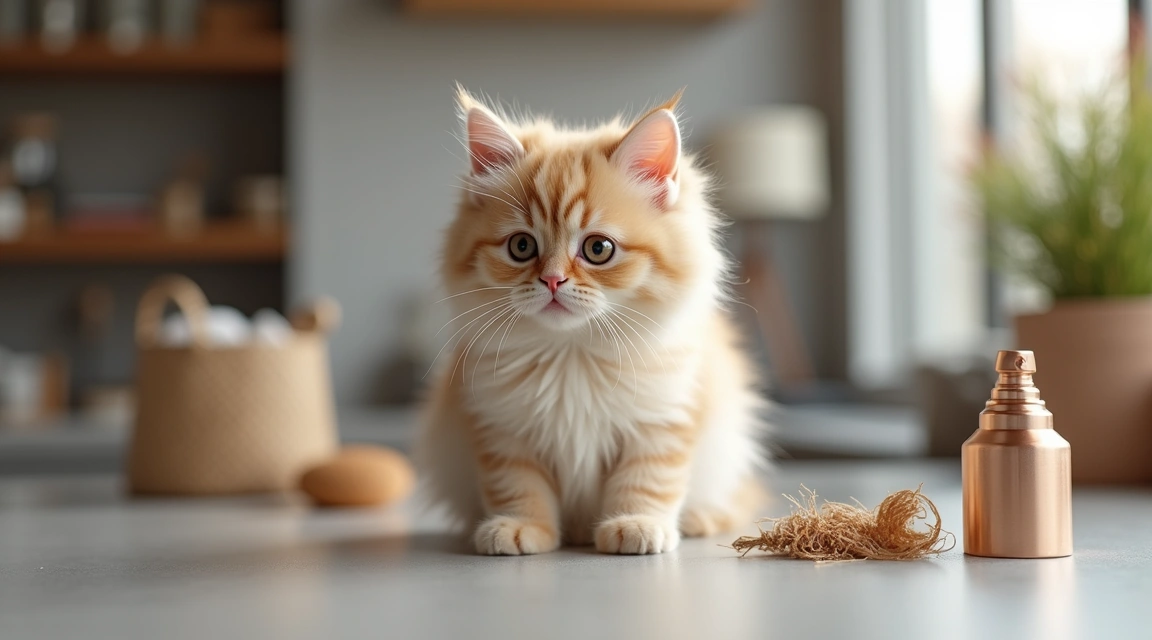
Let’s talk about what your mornings actually look like. With a Persian kitten, expect to check on them frequently. Are they eating enough? Drinking water? Using the litter box correctly? Kittens need meals three to four times daily until about six months old. They’re also prone to getting into trouble — stuck behind furniture, chewing electrical cords, or sampling your houseplants. You’ll spend time kitten-proofing your home and redirecting behaviors constantly. And grooming? You’re teaching them to tolerate brushing, which means short sessions every single day while they’re young.
Adult Persians eat twice daily and typically handle alone time much better. They’re past the stage where everything’s a toy or potential disaster. Grooming is still essential — Persians need daily brushing regardless of age — but an adult who’s been properly maintained knows the routine. The time investment shifts from constant supervision to consistent maintenance. Sound familiar? Many adopters underestimate how exhausting those first kitten months can be, especially if you work full-time or have young children.
Health Considerations and Veterinary Costs
Kittens require a series of vaccinations, typically given at eight, twelve, and sixteen weeks, plus spaying or neutering around five to six months. You’re also monitoring growth, addressing any early health concerns, and establishing that crucial relationship with your veterinarian. Persian kittens can be prone to upper respiratory issues due to their flat faces, so you’ll want to watch for sneezing, eye discharge, or breathing difficulties. The upside? You control their entire health history from the start. You choose their diet, establish dental care early, and build healthy habits.
Adult cats come with a medical history — hopefully. If you’re adopting from a reputable source, you’ll know about any existing conditions or special needs. Some adult Persians may have dental issues, especially if grooming was neglected previously. Others arrive in perfect health and simply need annual checkups and preventive care. Pet insurance is valuable at any age, but pre-existing conditions won’t be covered if you insure an adult cat. That said, a healthy three-year-old Persian often costs less in immediate vet bills than a kitten going through the vaccination series and spay or neuter surgery.
Behavior, Training, and Household Integration
Kittens are blank slates. You teach them where to scratch, how to play gently, and which rooms are off-limits. Persian kittens are generally less rambunctious than some breeds, but they still test boundaries. This is your chance to create the perfectly behaved cat — but it requires daily effort. Socialization matters enormously during those early months. A kitten who meets different people, experiences various household sounds, and learns that the vacuum isn’t a predator becomes a confident adult.
Adult Persians arrive with established personalities and habits. Some are incredibly social and adjust within days. Others need weeks to feel secure in a new environment. The good news? Adults rarely destroy furniture or knock over lamps at three in the morning. They understand personal space and often prefer observing household activity from a comfortable perch. Many adult cats are surrendered for reasons unrelated to behavior — owner relocation, allergies, or lifestyle changes. These cats are fully capable of bonding with new families and often seem grateful for a stable, loving home. Who hasn’t seen a rescue cat blossom once they feel safe?
Making the Right Choice for Your Family
Think honestly about your schedule and energy level. If you work long hours and live alone, a kitten might feel overwhelming. They need interaction, playtime, and someone to ensure they’re not stuck somewhere they shouldn’t be. Families with children often love kittens because they grow up together, but young kids require supervision around fragile baby cats. Adult Persians can be wonderful with gentle children and often tolerate the household chaos better than you’d expect.
Consider your experience level too. First-time cat owners sometimes do better with adults because the learning curve isn’t quite as steep. You’re not figuring out litter training, feeding schedules, and socialization all at once. But if you’ve raised kittens before and genuinely enjoy that intense bonding period, you know what you’re signing up for. Budget matters as well. Initial costs for kittens run higher due to vaccinations and surgery, but adult adoption fees often include these procedures already. Fair enough — both options require financial commitment for quality food, grooming supplies, and routine veterinary care.
Choosing between a Persian kitten and an adult cat comes down to your lifestyle, patience, and what you value most in the adoption experience. Kittens offer that magical opportunity to shape a cat’s entire life from the beginning, but they demand significant time and energy during those formative months. Adult Persians provide a calmer, more predictable companion whose personality is already established — and they’re just as capable of forming deep, lasting bonds with their new families. There’s no wrong choice here, only the choice that fits your home and heart. Whether you’re charmed by kitten antics or drawn to the gentle dignity of a mature Persian, you’re about to welcome a loyal, affectionate companion into your life.
Editorial Tips & Advertising Inquiries : cats@steeplechasecattery.com