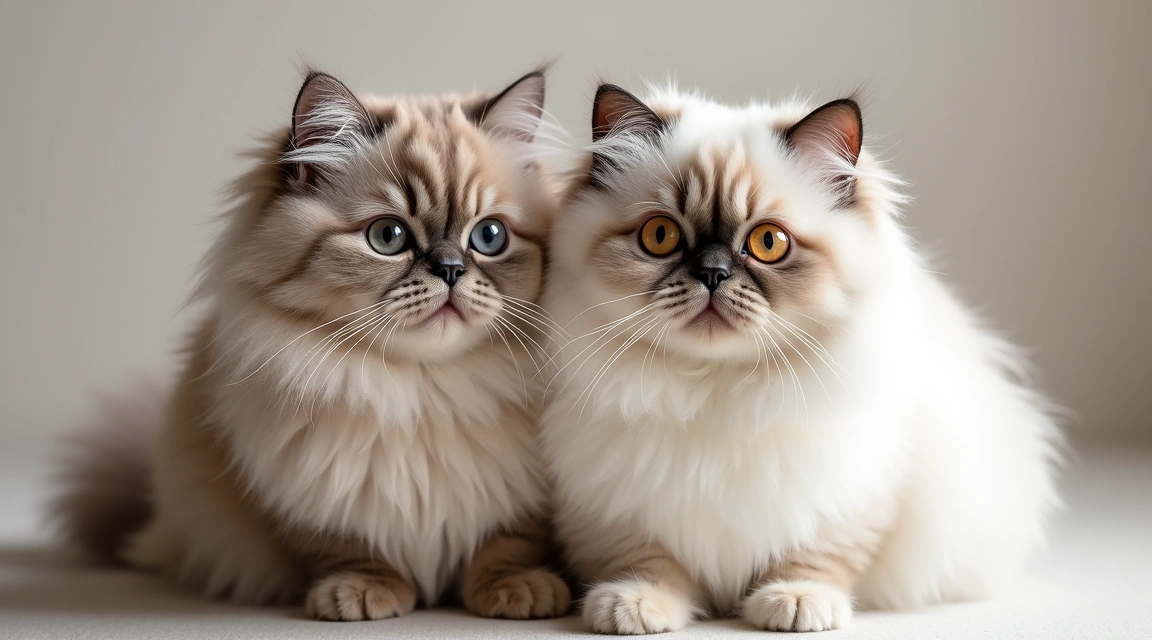
You’re standing in that moment every cat lover knows well. Two gorgeous breeds have caught your eye, and now you’re wondering which one fits your life better. Persian cats and Ragdolls both offer affection and beauty, but they’re actually quite different once you look past those fluffy coats.
Here’s the thing: choosing between these breeds isn’t just about looks. It’s about daily care routines, personality quirks, and what kind of companionship you’re really after. I’ve worked with both breeds for years at our cattery, and I can tell you they each bring something unique to the table. Let’s break down what makes these cats different so you can make the right choice.
Personality and Temperament Differences
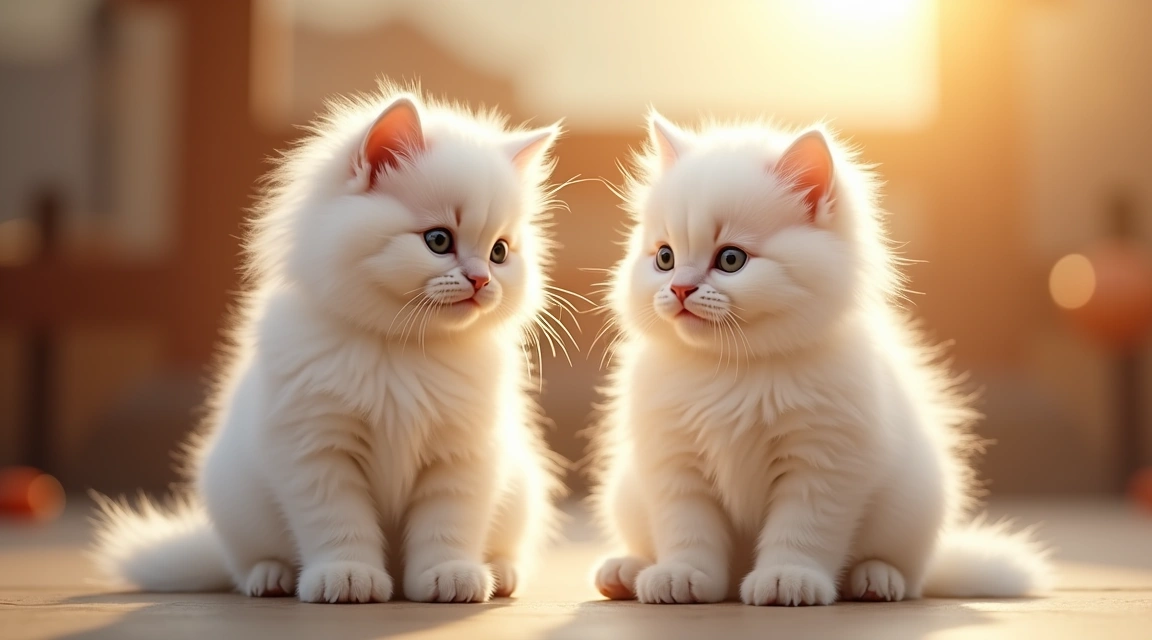
Persians are the calm, serene companions of the cat world. They’re content to lounge on a favorite cushion for hours, watching the world go by. Don’t expect a Persian to greet you at the door like a dog might. They show affection on their own terms, often with a gentle purr and a slow blink from across the room.
Ragdolls? Completely different energy. These cats earned their name because they go limp when you pick them up, and they genuinely enjoy being handled. They’ll follow you from room to room, flop at your feet while you work, and actually seek out physical interaction. If you want a cat that acts more like a devoted companion than an independent housemate, the Ragdoll delivers. But here’s what surprises people: Ragdolls can be a bit needy. They don’t love being left alone for long stretches.
Grooming Requirements and Daily Maintenance
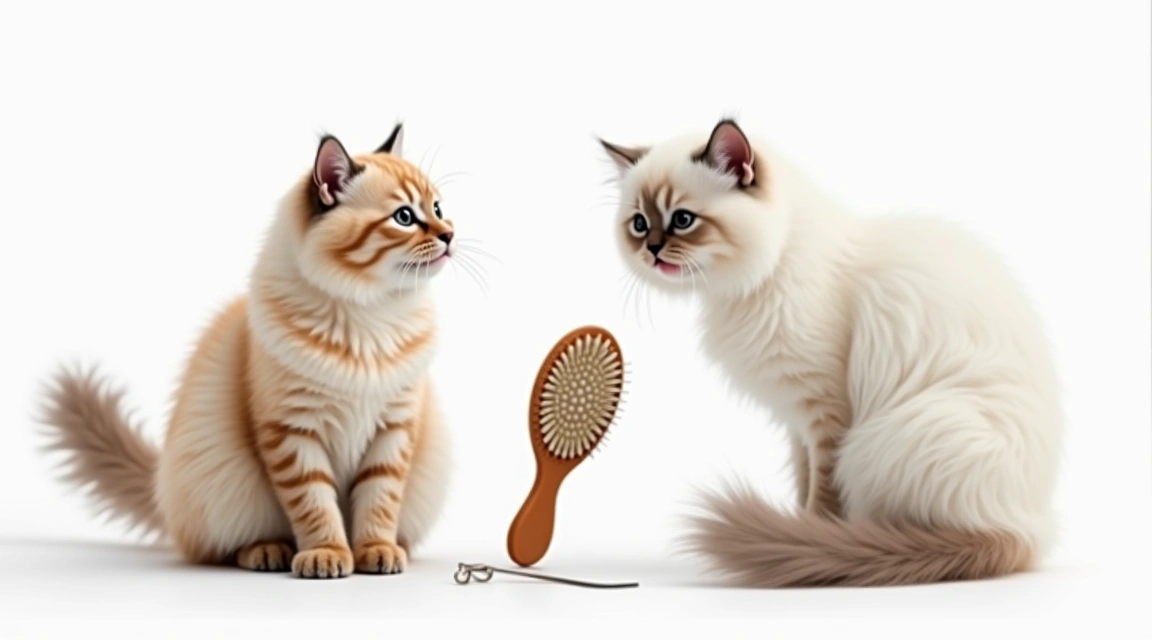
Let’s talk about the elephant in the room. Persians require significant daily grooming commitment. That luxurious coat mats easily, especially around the legs, belly, and behind the ears. You’re looking at 10-15 minutes of brushing every single day, not just when you remember. Their flat faces also mean you’ll need to wipe their eyes daily to prevent tear staining.
Ragdolls have semi-long coats that are surprisingly easier to manage. Their fur has less undercoat, which means fewer mats and tangles. You can usually get away with brushing 2-3 times per week, though daily is still ideal during shedding season. Their faces are also more traditional, so no daily eye-wiping routine. If grooming feels like a chore rather than bonding time, this difference matters more than you might think.
Health Considerations for Each Breed
Persians face some breed-specific challenges tied to their facial structure. Brachycephalic airway syndrome can affect breathing, especially in warmer weather. Their flat faces also make them prone to dental issues and occasional eating difficulties. Polycystic kidney disease (PKD) has been a concern in the breed, though responsible breeders now screen for this.
Ragdolls tend to be healthier overall, but they’re not without concerns. Hypertrophic cardiomyopathy (HCM), a heart condition, appears in some lines. They can also be prone to bladder stones and obesity if their diet isn’t monitored. The good news? Both breeds typically live 12-17 years with proper care. Regular vet checkups catch most issues early, and neither breed is dramatically more fragile than the other.
Size, Space, and Activity Levels
Here’s where things get interesting. Ragdolls are one of the largest domestic cat breeds. Males regularly reach 15-20 pounds, and they’re surprisingly sturdy and muscular under all that fluff. They need space to stretch out and move around, though they’re not particularly athletic or high-energy.
Persians are medium-sized, usually 7-12 pounds, with a compact, cobby build. They’re perfectly suited for apartment living because they don’t feel the need to climb every surface or race through the house. A Persian is happy in a smaller space as long as they have their favorite perches and quiet corners. If you’re in a studio apartment, the Persian adapts more easily. Got a house with room to roam? The Ragdoll will appreciate it more.
Which Breed Fits Your Lifestyle?
Let’s get practical. Choose a Persian if you want a low-key, independent companion who doesn’t demand constant interaction. They’re perfect for quieter households, people who work from home, or anyone who enjoys the ritual of daily grooming. If you appreciate elegance and calm over playfulness, the Persian matches that vibe.
Go with a Ragdoll if you want a cat that actually acts like it’s part of the family. They’re ideal for households with kids or other pets because they’re patient and social. If you travel frequently or work long hours, though, a Ragdoll might not be the best fit. They genuinely miss their people and can become anxious when left alone too much. And if brushing a cat daily sounds exhausting, the Ragdoll’s easier coat will feel like a relief.
Both breeds offer something wonderful, just in different packages. Persians bring tranquility and grace. Ragdolls bring warmth and devotion. The right choice depends entirely on what kind of relationship you want with your cat and how much time you can realistically dedicate to grooming and companionship. Whichever you choose, you’re getting a loving, beautiful companion who’ll be part of your family for years to come.
Editorial Tips & Advertising Inquiries : cats@steeplechasecattery.com
📖 Related Articles