If you’ve spent time around Persian cats, you know they’re masters at hiding discomfort. It’s part of their stoic nature. But when it comes to kidney disease, catching the early signs can make all the difference in your cat’s quality of life. Kidney problems affect many cats as they age, and Persians can be particularly vulnerable due to genetic predisposition in some bloodlines.
Here’s the thing : kidney disease often develops quietly over months or even years. By the time obvious symptoms appear, significant damage may have already occurred. That’s why understanding what to watch for matters so much. The good news? Once you know what subtle changes signal trouble, you can act quickly and work with your vet to slow progression and keep your Persian comfortable for years to come.
Why Persian Cats Face Higher Kidney Disease Risk
Persian cats carry a genetic predisposition to polycystic kidney disease (PKD), an inherited condition where fluid-filled cysts gradually replace healthy kidney tissue. Not every Persian develops PKD, but research suggests a significant percentage of the breed carries the gene. Even Persians without PKD can develop chronic kidney disease (CKD) as they age, just like other cats.
The reality is that kidneys perform hundreds of critical functions : filtering waste, regulating blood pressure, producing hormones, and maintaining hydration balance. When kidney tissue deteriorates, these systems start breaking down. And because cats are so good at compensating, you might not notice anything wrong until 70% of kidney function is lost. That’s why regular veterinary checkups become essential as your Persian reaches middle age, typically around seven years old.
The Earliest Warning Signs Most Owners Miss
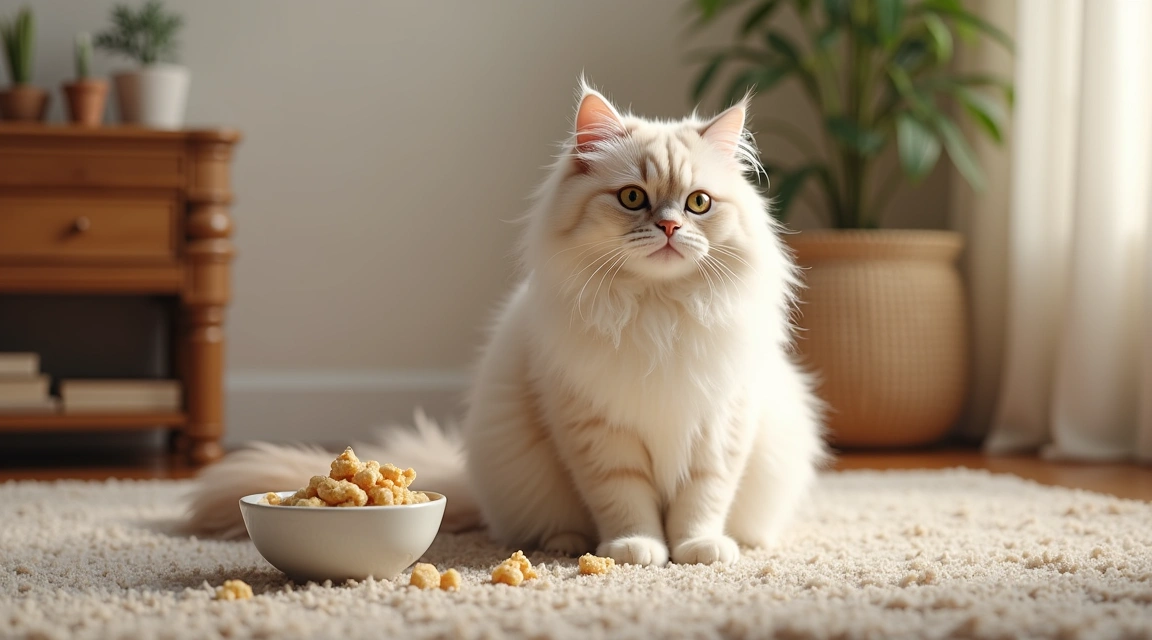
Increased thirst is often the first red flag. You might notice your Persian spending more time at the water bowl or asking for fresh water more frequently. At the same time, you’ll see larger clumps in the litter box because increased urination accompanies the increased drinking. These two symptoms go hand in hand : damaged kidneys can’t concentrate urine effectively, so the body loses more water and triggers constant thirst to compensate.
But some signs are even more subtle. Weight loss can creep up slowly, especially in a fluffy Persian where it’s harder to notice under all that coat. You might feel your cat’s spine or ribs more prominently during grooming sessions. Poor appetite is another early indicator, though it may start as simple pickiness : your Persian might eat less enthusiastically or leave food in the bowl more often. Pay attention to these small changes. They’re your cat’s way of telling you something’s off, even if they can’t meow the words.
Physical Symptoms That Signal Progression
As kidney disease advances, physical signs become harder to ignore. Vomiting becomes more frequent, sometimes just bile or foam rather than food. Your Persian might develop bad breath with an ammonia-like smell, caused by toxins building up in the bloodstream that healthy kidneys would normally filter out. Some cats develop mouth ulcers, making eating painful and further reducing appetite.
Lethargy and weakness also increase noticeably. Your normally social Persian might spend more time sleeping or hide in quiet spots. They may stop grooming as thoroughly, and their beautiful coat might look dull or matted. Dehydration becomes visible too : if you gently lift the skin on the back of their neck, it might stay tented instead of snapping back immediately. These aren’t normal aging changes. They’re urgent signals that kidney function has declined significantly and your cat needs veterinary attention right away.
What Your Veterinarian Will Check
When you bring concerns about kidney disease to your vet, they’ll start with bloodwork and urinalysis. The blood urea nitrogen (BUN) and creatinine levels reveal how well the kidneys are filtering waste. Elevated numbers indicate decreased kidney function. Urinalysis checks the concentration and composition of your cat’s urine, looking for protein, blood, or abnormally dilute urine that can’t hold waste products effectively.
Your vet might also recommend blood pressure measurement, since high blood pressure both causes and results from kidney disease. Some veterinarians use newer markers like SDMA (symmetric dimethylarginine), which can detect kidney problems earlier than traditional tests. For Persians specifically, genetic testing for PKD is available and can identify carriers before symptoms develop. Ultrasound imaging helps visualize kidney structure and detect cysts or other abnormalities. The goal isn’t just diagnosis but staging : determining how far the disease has progressed so treatment can be tailored appropriately.
Supporting Your Persian Through Kidney Disease
Once kidney disease is diagnosed, management focuses on slowing progression and maintaining quality of life. Diet becomes critical. Prescription kidney diets are formulated with reduced protein, phosphorus, and sodium levels that ease the workload on damaged kidneys. Many cats resist these foods at first because they taste different, but gradual transition and warming the food can improve acceptance. Staying hydrated is equally important, so consider adding water fountains, offering wet food, or even giving subcutaneous fluids at home if your vet recommends it.
Medications may include phosphorus binders, blood pressure regulators, or supplements that support remaining kidney function. Some cats benefit from potassium supplementation since kidney disease causes electrolyte imbalances. Regular monitoring through follow-up bloodwork helps track disease progression and adjust treatment as needed. And don’t underestimate the value of stress reduction : keep your Persian’s environment calm, maintain routine, and provide easy access to food, water, and litter boxes. Cats with kidney disease often feel vulnerable, and a peaceful home environment supports their overall wellbeing.
What to Expect as You Move Forward
Kidney disease in cats is progressive and can’t be cured, but it can be managed effectively for months or even years with proper care. Early detection and intervention make the biggest difference in outcomes. Cats diagnosed in the early stages and treated appropriately often maintain good quality of life well into their senior years. The key is consistent veterinary care, careful attention to diet and hydration, and watching for any changes that signal the disease is advancing.
Your relationship with your veterinarian becomes a partnership. You’re the one who sees your Persian every day and notices subtle shifts in behavior, appetite, or energy. Your vet provides the medical expertise and monitoring tools. Together, you create a care plan that prioritizes your cat’s comfort and longevity. It’s not always an easy journey, but with early detection and dedicated management, many Persian cats with kidney disease continue to enjoy their favorite spots by the window, their grooming sessions with you, and the quiet companionship that makes them such treasured family members.
Sound familiar? If you’ve noticed any of these warning signs in your Persian, don’t wait. Schedule a veterinary appointment and request bloodwork. Catching kidney disease early gives you and your cat the best chance at a longer, healthier life together. Your Persian depends on you to notice what they can’t tell you, and acting on those early signals is one of the most important things you can do as their caretaker.
Editorial Tips & Advertising Inquiries : cats@steeplechasecattery.com