
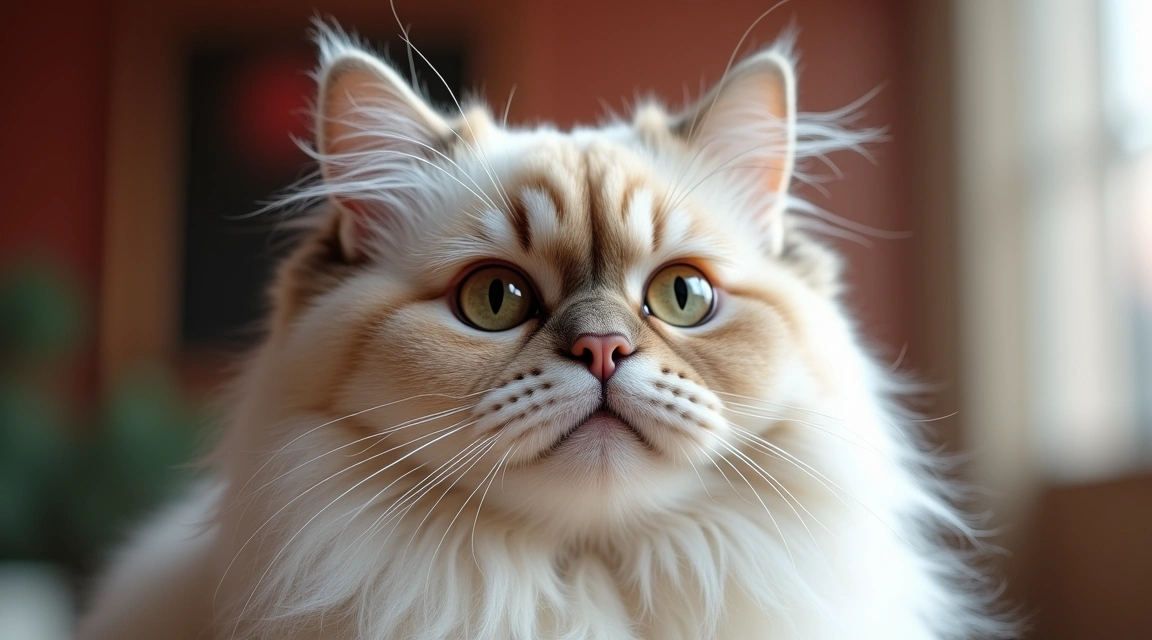
If you’ve ever owned a Persian cat, you know the drill. Those gorgeous, expressive eyes come with a price — constant tearing, brown stains, and the occasional crusty buildup that makes you wonder if something’s wrong. Here’s the thing : Persian cats aren’t just being dramatic. Their flat faces and shallow eye sockets create real anatomical challenges that make eye care a daily necessity, not an optional grooming task.
The good news? With the right approach, you can keep your Persian’s eyes clear, comfortable, and free from infections. I’ve worked with hundreds of Persian cats over the years, and I can tell you that consistent eye care makes all the difference between a cat who’s constantly uncomfortable and one who’s thriving. Let’s walk through what you need to know.
Why Persian Cats Have Unique Eye Care Needs
Persian cats have what veterinarians call brachycephalic features — a fancy term for that adorable flat face. But that cute smooshed look creates a structural problem. Their tear ducts don’t drain properly because the shortened nasal passages can’t handle normal tear flow. Instead of draining internally like in other breeds, tears overflow onto the fur, creating those telltale rust-colored stains you see on white and light-colored Persians.
The shallow eye sockets also mean their eyes are more exposed to dust, debris, and environmental irritants. You might notice your Persian blinking more often than other cats or developing discharge that ranges from clear and watery to thick and colored. Daily tearing is normal for this breed, but it requires daily management to prevent complications. And here’s what many new Persian owners don’t realize : those wet tracks aren’t just cosmetic. The constant moisture creates a breeding ground for bacteria and yeast, which can lead to skin infections and eye problems if left unchecked.
What Daily Eye Care Actually Looks Like
So what does proper Persian eye care involve? Honestly, it’s simpler than most people think, but it does require consistency. You’ll need to wipe your cat’s eyes at least once daily — twice if your cat is a heavy tearer. I use a soft, lint-free cloth or unscented pet eye wipes. Cotton balls work too, but they can leave fibers behind.
The technique matters. Gently wipe from the inner corner of the eye outward, using a fresh section of cloth for each eye to avoid cross-contamination. You’re not scrubbing — just removing the discharge and moisture before it has time to stain the fur or harbor bacteria. Some cats tolerate this better than others. Start when they’re kittens if possible, or work up to it gradually with adult cats by offering treats and keeping sessions short at first.
Between cleanings, check for changes in discharge color or consistency. Clear or slightly cloudy tears are normal. But if you see yellow, green, or thick white discharge, that’s a red flag for infection. Same goes for excessive redness, squinting, or pawing at the eyes. Those symptoms warrant a vet visit, not just more aggressive home cleaning.
Choosing the Right Cleaning Products
Walk into any pet store and you’ll find dozens of eye cleaning solutions. Not all are created equal, and some can actually irritate your Persian’s sensitive eyes. I stick with products specifically formulated for cats — never use products meant for dogs or humans. Look for solutions that are preservative-free and pH-balanced for feline eyes.
Sterile saline solution works well for basic cleaning. You can buy it at any pharmacy. Some breeders swear by distilled water, which is fine for daily maintenance but doesn’t have the gentle cleansing properties of proper eye solutions. Avoid anything with alcohol, peroxide, or harsh chemicals. And those whitening products marketed for tear stains? Use them cautiously. Many contain ingredients that can cause irritation if they get into the eye itself.
For stubborn stains on the fur, you might need a dedicated tear stain remover applied carefully to the hair only — never directly in the eye. Prevention through daily cleaning beats trying to remove set-in stains every time. Once that reddish-brown oxidation sets into white fur, it’s tough to remove completely without potentially irritating your cat’s skin.
Recognizing and Preventing Eye Infections
Eye infections in Persian cats often start small but can escalate quickly. Conjunctivitis, commonly called pink eye, is one of the most frequent problems I see. The eye looks red and inflamed, discharge increases, and your cat might keep the affected eye partially closed. Sometimes it’s caused by bacteria, sometimes by viruses, and occasionally by irritants like dust or pollen.
Upper respiratory infections can also cause eye problems in Persians. You might notice sneezing, nasal discharge, and eye issues all at once. These infections spread easily in multi-cat households, so if one cat shows symptoms, monitor the others closely. Herpesvirus is a common culprit and can cause chronic eye issues in some cats even after the initial infection clears.
Prevention starts with keeping your Persian’s face clean and dry. But it also means maintaining good overall health through proper nutrition, regular vet checkups, and keeping their environment clean. Avoid exposing your cat to cigarette smoke, strong perfumes, or dusty conditions — all of which can irritate those already-sensitive eyes. And if you’re introducing a new Persian to your home, keep them separated from resident cats until you’re sure they’re healthy to prevent disease transmission.
When Home Care Isn’t Enough
Sometimes despite your best efforts, professional intervention becomes necessary. If your Persian develops a blocked tear duct, you might notice severe overflow tearing on one side. This usually requires veterinary assessment and sometimes a procedure to flush and open the duct. It’s not common, but it happens.
Corneal ulcers are another concern with Persians. Their prominent eyes are more prone to scratches and injuries. If your cat suddenly starts squinting, has excessive tearing from one eye, or you notice cloudiness on the eye surface, get to the vet quickly. Corneal ulcers can worsen rapidly and potentially cause permanent damage if left untreated. Your vet will likely use a special stain to check for ulcers and prescribe antibiotic drops if needed.
Some Persians develop chronic eye conditions that require ongoing management. Entropion, where the eyelid rolls inward causing lashes to rub against the eye, occasionally affects this breed. It’s usually corrected surgically. Fair enough — not every eye problem can be prevented with cleaning alone, but regular home care combined with annual vet exams catches most issues early when they’re easier to treat.
Persian cat eye care doesn’t have to be overwhelming once you establish a routine. Yes, it’s a daily commitment, but spending just two minutes a day cleaning your cat’s eyes prevents hours of dealing with infections, vet visits, and an uncomfortable cat. The key is consistency, using the right products, and knowing when to seek professional help. Your Persian’s beautiful eyes deserve that level of attention — and they’ll thank you with years of healthy, clear-eyed companionship.
Editorial Tips & Advertising Inquiries : cats@steeplechasecattery.com