
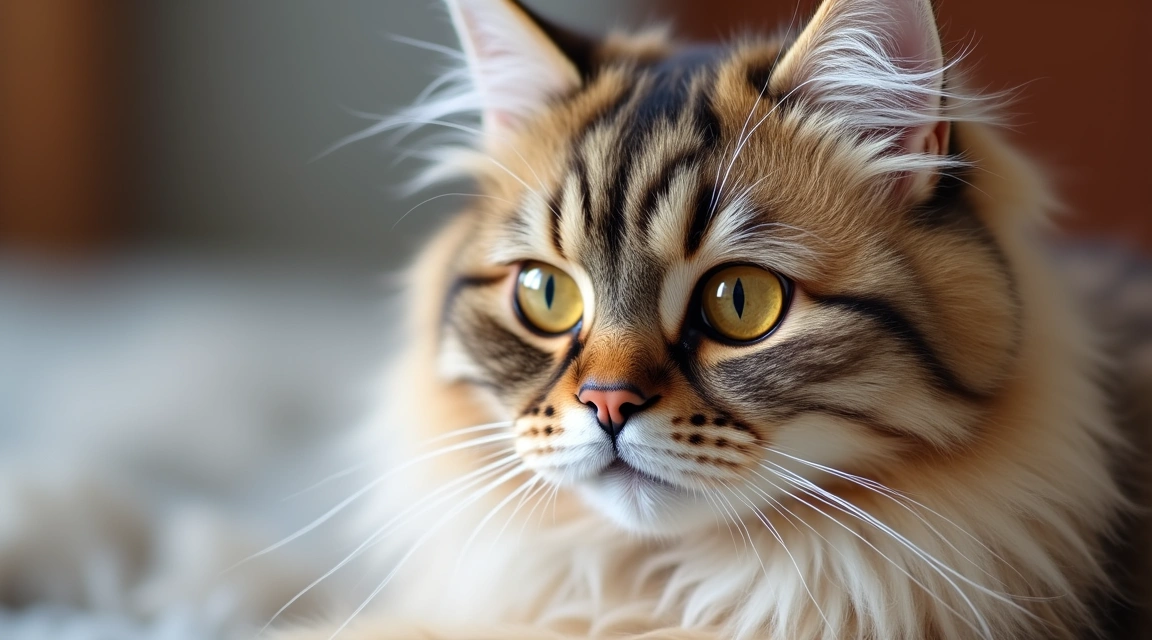
Persian cats are stunning companions with their luxurious coats and sweet temperaments. But here’s the thing : those beautiful, large eyes come with a unique care requirement that catches many new owners off guard. The flat facial structure that makes Persians so distinctive also creates challenges for tear drainage and eye health. If you’ve noticed dark streaks running down your Persian’s face or wondered whether those constant tears are normal, you’re not alone.
Eye care isn’t just about cosmetics. It’s about your cat’s comfort and long-term health. Persian cats produce more tears than most breeds due to their brachycephalic (flat-faced) anatomy, and those tears can quickly become breeding grounds for bacteria if not managed properly. The good news? With the right daily routine and knowledge of what to watch for, you can keep your Persian’s eyes healthy and minimize those stubborn stains that seem to appear overnight.
Why Persian Cats Need Special Eye Care
The Persian cat’s distinctive facial structure isn’t just for show. Their shallow eye sockets and shortened nasal passages mean tears don’t drain normally through the tear ducts like they do in other breeds. Instead, tears overflow onto the face, creating moisture that sits against the fur and skin. This constant wetness is what leads to those reddish-brown stains you see on lighter-colored Persians.
Beyond the cosmetic concern, this excessive tearing creates an environment where yeast and bacteria thrive. The warm, moist area around a Persian’s eyes can develop infections if tears aren’t cleaned away regularly. Some Persians also have slight eyelid abnormalities or shallow tear ducts that make the problem worse. It’s not a defect — it’s simply part of the breed’s unique anatomy that requires consistent attention from owners who understand the challenge.
What Persian Owners Experience Daily
Most Persian owners notice eye discharge within the first few weeks of bringing their cat home. You’ll see it first thing in the morning — crusty buildup in the inner corners of the eyes or wet streaks running down toward the nose. Some cats paw at their faces, trying to relieve the discomfort of accumulated debris. Sound familiar?
The amount of discharge varies between individual cats. I’ve worked with Persians who need twice-daily cleaning and others who do fine with once a day. It depends on factors like eye shape, tear production, and even diet. What’s consistent across all Persians is that ignoring the discharge leads to problems. That innocent-looking moisture turns into hard, crusty deposits that pull at delicate facial fur and irritate the skin underneath. Within days, you might notice your cat’s eye area looking red or inflamed.
How Poor Eye Care Affects Your Persian
When eye discharge isn’t cleaned regularly, several problems develop. The most obvious is staining — those permanent-looking brown or reddish tracks that discolor white or cream-colored fur. But the real concern goes deeper. Bacterial infections can develop in the moist folds around a Persian’s eyes, leading to conjunctivitis, skin infections, or even corneal ulcers in severe cases.
Chronic moisture also causes dermatitis — inflamed, irritated skin that’s painful for your cat. You might notice your Persian rubbing their face against furniture or scratching at their eyes more frequently. The fur in the affected areas can become matted and brittle, and some cats develop a yeasty odor around their faces. Left untreated, these issues compound. What started as simple tear overflow becomes a cycle of infection, inflammation, and discomfort that requires veterinary intervention and sometimes medication to resolve.
Daily Eye Cleaning Techniques That Work
The foundation of Persian eye care is daily cleaning. You’ll need soft, lint-free materials — sterile gauze pads work better than cotton balls, which can leave fibers behind. Use lukewarm water or a veterinary-approved eye wash solution. Never use hydrogen peroxide, alcohol, or human eye drops unless specifically directed by your vet.
Here’s what actually works : gently wipe from the inner corner of the eye outward, using a fresh section of gauze for each pass. Don’t scrub — that irritates the skin. Make this part of your morning routine so your cat learns to expect it and stays calm. For stubborn crusty buildup, hold a warm, damp cloth against the area for 30 seconds to soften it before wiping. Clean both eyes even if only one looks affected, and always wash your hands before and after to prevent spreading bacteria.
If you’re dealing with persistent stains, specialized tear stain removers formulated for cats can help lighten discoloration over time. These products won’t prevent new stains, but they address the cosmetic concern many owners face. And here’s something important : don’t expect overnight results. Stain removal takes weeks of consistent cleaning as new, unstained fur grows in to replace the discolored hair.
Recognizing When Veterinary Care Is Needed
Normal Persian eye discharge is clear to slightly cloudy and doesn’t smell. But certain changes signal infection or injury that needs professional attention. Watch for yellow, green, or thick white discharge — these indicate bacterial infection. If your cat’s eye appears red, swollen, or if they’re squinting or pawing excessively, don’t wait to see if it improves.
Cloudiness in the eye itself, visible blood, or sudden changes in tear production are also red flags. Some Persians develop corneal sequestrum, a condition where dead tissue forms on the cornea, appearing as a brown or black spot on the eye surface. This condition is more common in Persian cats and requires surgical removal. If you notice your cat avoiding light, producing excessive tears from only one eye, or showing any change in eye color or clarity, schedule a vet visit promptly. Eye infections can progress quickly, and early treatment prevents complications and discomfort.
Prevention Strategies for Long-Term Eye Health
Beyond daily cleaning, several strategies help minimize eye problems in Persian cats. Keep your cat’s face fur trimmed short around the eyes — long hair can irritate the eyeball and wick tears further down the face, worsening staining. Many Persian owners learn to do gentle face trims at home or have their groomer maintain the area during regular appointments.
Diet plays a role too. Some veterinarians believe certain ingredients contribute to excessive tearing, though the research isn’t definitive. High-quality protein sources and avoiding common allergens might help some cats. Adequate hydration supports healthy tear production and composition. Make sure your Persian always has access to fresh water, and consider a cat fountain if your pet doesn’t drink enough from a bowl.
Environmental factors matter as well. Dust, smoke, and airborne irritants can trigger increased tearing. Use unscented litter, avoid smoking indoors, and keep your home reasonably clean to reduce eye irritation. Regular veterinary checkups catch developing problems early. Your vet can assess tear duct function, check for eyelid abnormalities, and recommend interventions if your cat’s tearing seems excessive even with proper care. Honestly, prevention is so much easier than treating established infections or dealing with years of permanent staining.
Persian cat eye care isn’t complicated, but it is essential. With daily attention, the right tools, and awareness of what’s normal versus concerning, you can keep your Persian’s eyes healthy and comfortable throughout their life. The few minutes you invest each day prevent serious problems and help your beautiful companion look and feel their best.
Editorial Tips & Advertising Inquiries : cats@steeplechasecattery.com